
The Strategic Role of Property Management Software in Modern Real Estate Operations The real estate industry has undergone a steady digital shift over the past decade. Rising tenant expectations, complex compliance requirements, and the need for real-time financial visibility have pushed property owners and managers to rethink traditional processes. Manual tracking through spreadsheets or disconnected tools is no longer sustainable. This is where Property Management Software has become a core operational asset rather than a convenience. Property management today is not just about collecting rent. It involves tenant communication, maintenance coordination, lease compliance, accounting accuracy, and performance reporting. A unified digital platform helps bring these moving parts together under one system, improving efficiency and decision-making. What Property Management Software Really Solves At its core, property management software centralizes day-to-day operations for residential, commercial, and mixed-use properties. Instead of juggling multiple tools, property managers gain a single source of truth for all property-related data. Key operational challenges it addresses include: Disorganized tenant records and lease documents Delayed or inaccurate rent collection Maintenance request mismanagement Limited financial visibility Compliance and audit risks By automating routine tasks and standardizing workflows, Property Management Software reduces human error while freeing teams to focus on tenant satisfaction and portfolio growth. Financial Control and Revenue Optimization One of the strongest advantages of modern platforms is financial clarity. Automated rent invoicing, online payments, late fee tracking, and real-time ledger updates improve cash flow consistency. Managers no longer need to reconcile multiple systems at month-end. Advanced reporting tools offer insights into: Rental income trends Vacancy rates Operating expenses Profitability by property or unit This data-driven visibility allows owners to adjust pricing, plan maintenance budgets, and forecast revenue more accurately. Financial transparency also builds trust with investors and stakeholders. Tenant Experience as a Competitive Advantage Tenant expectations have changed. Today’s renters expect digital convenience similar to online banking or e-commerce platforms. Self-service portals for rent payments, maintenance requests, and communication have become standard. A well-designed Property Management Software enhances the tenant experience by: Enabling online rent payments Providing quick maintenance request tracking Sending automated reminders and notifications Offering clear communication channels Satisfied tenants are more likely to renew leases, reducing turnover costs and vacancy periods. From a business perspective, better tenant retention directly improves long-term profitability. Maintenance and Asset Lifecycle Management Maintenance is often one of the most resource-intensive areas in property management. Poor tracking leads to delayed repairs, unhappy tenants, and higher long-term costs. Digital platforms streamline maintenance workflows from request submission to vendor assignment and completion tracking. Benefits include: Faster response times Preventive maintenance scheduling Vendor performance tracking Reduced emergency repair costs By maintaining detailed maintenance histories, property owners can also extend asset life and make informed capital improvement decisions. Compliance, Security, and Risk Reduction Regulatory compliance varies by region and property type. Lease documentation, safety inspections, financial reporting, and data protection all require careful handling. Manual systems increase the risk of missed deadlines or documentation gaps. Modern property management systems provide: Secure document storage Audit-ready financial records Automated compliance reminders Role-based access control These features reduce legal exposure while ensuring sensitive tenant and financial data remains protected. Scalability for Growing Portfolios As property portfolios grow, operational complexity increases exponentially. What works for ten units may fail at one hundred or one thousand. Scalability is where digital systems truly prove their value. A centralized platform allows managers to: Standardize processes across locations Monitor portfolio-wide performance Onboard new properties quickly Support multi-user teams with defined roles This scalability ensures growth does not compromise service quality or financial accuracy. Integration with the Broader Property Ecosystem Leading solutions integrate seamlessly with accounting tools, CRM systems, payment gateways, and smart building technologies. This interconnected ecosystem eliminates data silos and enhances operational efficiency. Integration capabilities support: Automated accounting entries Marketing and leasing workflows Smart device monitoring Data-driven portfolio analytics Such connectivity turns software into a strategic command center rather than a standalone tool. Conclusion In an increasingly competitive real estate environment, technology is no longer optional. The right Property Management Software empowers owners and managers to operate efficiently, deliver better tenant experiences, maintain financial control, and scale with confidence. By investing in a robust digital platform, property businesses position themselves for long-term stability, transparency, and growth in a rapidly evolving market.

Category: Blog
Real-Time Vehicle Monitoring Software: Driving Smarter, Safer, and More Efficient Fleets

Real-Time Vehicle Monitoring Software: Driving Smarter, Safer, and More Efficient Fleets In today’s fast-moving logistics and transportation landscape, visibility is no longer optional. Businesses that rely on vehicles, whether for delivery, service, or mobility, need instant access to accurate data. This is where Real-Time Vehicle Monitoring Software becomes a critical operational tool. By offering live insights into vehicle location, performance, and driver behavior, it helps organizations move from reactive decisions to proactive control. Understanding Real-Time Vehicle Monitoring Software At its core, Real-Time Vehicle Monitoring Software uses GPS, IoT sensors, and cloud-based analytics to track vehicles continuously. Unlike traditional tracking systems that only show location, modern platforms deliver a complete operational picture. This includes speed, route history, fuel usage, idle time, engine health, and even compliance metrics. For fleet managers, this data is not just informative. It becomes actionable intelligence that improves planning, accountability, and overall service quality. Why Real-Time Monitoring Matters for Businesses Customer expectations have changed. Faster deliveries, accurate ETAs, and transparent communication are now standard. Real-time monitoring allows businesses to meet these expectations with confidence. From a cost perspective, fuel is one of the largest expenses for fleet-based operations. Monitoring driving patterns and idle time directly impacts fuel efficiency. Similarly, early detection of maintenance issues helps avoid costly breakdowns and service disruptions. Most importantly, safety improves when driver behaviour is visible. Speeding alerts, harsh braking reports, and route deviation warnings help organizations address risks before they escalate. Key Features That Deliver Real Value A strong vehicle monitoring platform focuses on usability and outcomes, not just data volume. Some of the most impactful features include: Live GPS Tracking Fleet managers can view exact vehicle locations at any moment, improving dispatch accuracy and response times. Driver Behaviour Analytics Insights into speeding, sudden acceleration, and braking patterns help promote safer driving habits. Fuel and Mileage Tracking Detailed fuel consumption reports identify inefficiencies and potential cost savings. Predictive Maintenance Alerts Real-time engine and system diagnostics reduce unplanned downtime and extend vehicle lifespan. Geofencing and Route Optimization Automated alerts trigger when vehicles enter or exit defined zones, supporting compliance and security. These features work together to transform raw data into operational clarity. Industry Applications and Use Cases The value of Real-Time Vehicle Monitoring Software extends across industries. Logistics companies use it to optimize delivery routes and improve last-mile performance. Public transportation authorities rely on it for schedule adherence and passenger safety. Service-based businesses benefit by assigning the nearest vehicle to customer requests, reducing response time and fuel costs. Even smaller fleets, such as construction companies or field service teams, gain visibility that was previously available only to large enterprises. Customer-Centric Benefits That Matter Most From a customer’s perspective, the impact is clear. Accurate ETAs reduce frustration and build trust. Faster issue resolution improves satisfaction. Transparent tracking enhances communication without the need for constant follow-up calls. Internally, teams operate with less stress. Dispatchers make better decisions, drivers receive clear expectations, and managers gain confidence through reliable reporting. Over time, this alignment leads to stronger customer relationships and improved brand reputation. Data Security and Scalability Considerations As with any connected system, data security is essential. Reliable monitoring platforms use encrypted data transmission and secure cloud infrastructure. Role-based access ensures that sensitive information is available only to authorized users. Scalability is equally important. A solution should grow with the business, supporting additional vehicles, users, and integrations without performance loss. This flexibility ensures long-term value rather than short-term fixes. The Future of Vehicle Monitoring Technology The next phase of vehicle monitoring will go beyond tracking. Artificial intelligence and machine learning are already enabling predictive insights, such as anticipating maintenance failures or suggesting optimal routes based on traffic trends. Integration with smart city infrastructure and electric vehicle systems will further expand the role of monitoring software in sustainable transportation strategies. Businesses that adopt these technologies early position themselves for efficiency, resilience, and competitive advantage. Conclusion In an environment where efficiency, safety, and customer satisfaction define success, adopting the right technology is a strategic decision. Real-Time Vehicle Monitoring Software empowers organizations with visibility, control, and intelligence that directly impact performance and profitability. By investing in a solution that is secure, scalable, and customer-focused, businesses can turn their fleets into reliable assets that drive long-term growth.
Inventory Management Software: A Strategic Backbone for Modern Businesses
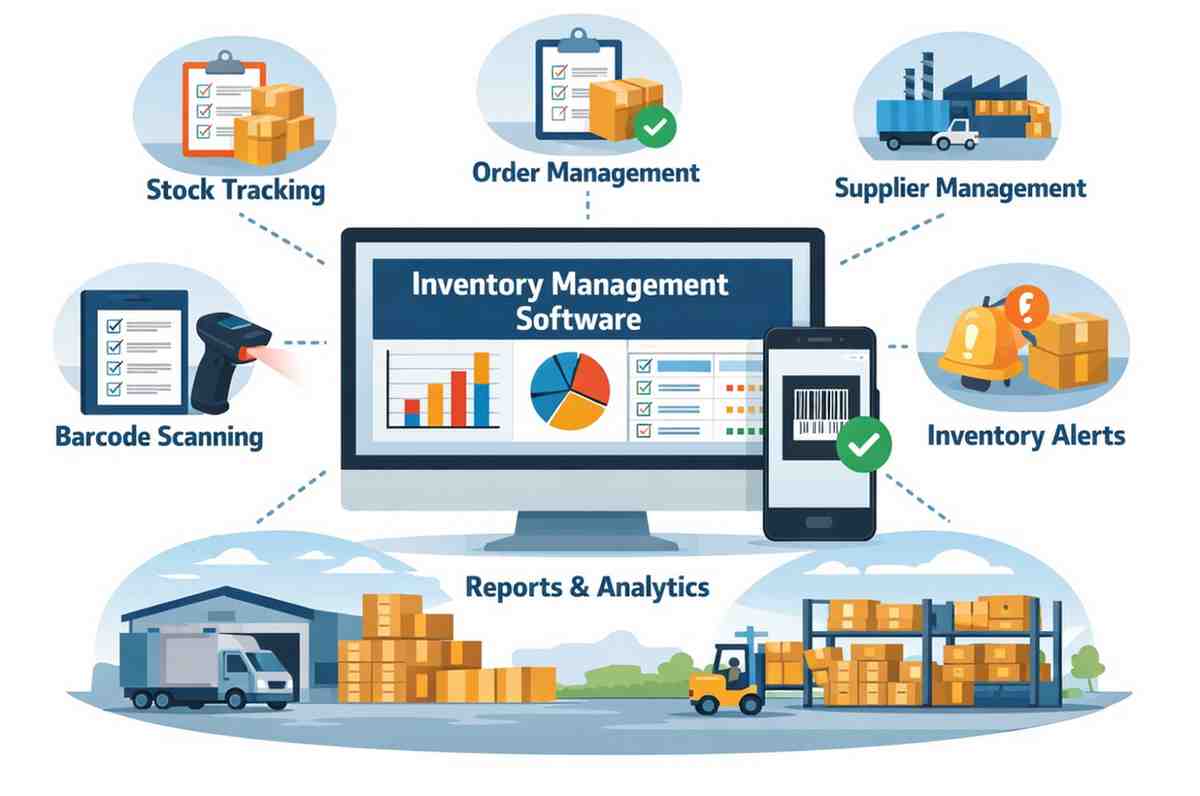
Inventory Management Software: A Strategic Backbone for Modern Businesses In today’s fast moving commercial environment, businesses face constant pressure to reduce costs, improve efficiency, and respond quickly to customer demand. One of the most critical yet complex areas influencing these goals is inventory control. This is where Inventory Management Software becomes a strategic asset rather than just an operational tool. From small retailers to large manufacturing enterprises, digital inventory systems now play a central role in business stability and growth. Understanding Inventory Management Software At its core, Inventory Management Software is designed to track, manage, and optimize stock levels across one or multiple locations. Unlike traditional spreadsheet based methods, modern software solutions provide real time visibility into inventory movement, stock valuation, and demand trends. This allows decision makers to replace guesswork with accurate, data driven insights. The software typically integrates with sales systems, procurement platforms, warehouses, and accounting tools. This integration ensures that inventory data remains consistent across departments, reducing manual errors and improving coordination between teams. Why Inventory Accuracy Matters More Than Ever Inaccurate inventory data directly impacts customer satisfaction and revenue. Overstocking ties up working capital and increases storage costs, while understocking leads to missed sales and damaged customer trust. Inventory Management Software addresses these challenges by continuously updating stock levels and alerting teams when action is required. With real time tracking, businesses can align purchasing decisions with actual demand. This is especially valuable in industries with seasonal fluctuations, short product lifecycles, or complex supply chains. Accurate inventory data also supports better forecasting, helping organizations prepare for future demand without unnecessary risk. Key Features That Drive Business Value Modern inventory management platforms go beyond simple stock counting. They offer a range of features designed to improve operational efficiency and decision making. Automated stock updates eliminate manual data entry and reduce human error. Barcode and RFID integration speeds up receiving, picking, and dispatch processes. Demand forecasting tools analyze historical data to predict future needs, while reorder point automation ensures that critical items are replenished on time. Reporting and analytics dashboards provide visibility into slow moving items, fast sellers, and inventory turnover ratios. These insights enable managers to optimize product mix and pricing strategies, directly improving profitability. Cost Control and Operational Efficiency One of the strongest arguments for adopting inventory management software is cost control. Carrying excess inventory increases storage, insurance, and obsolescence costs. On the other hand, frequent stockouts often result in emergency procurement at higher prices. By maintaining optimal stock levels, businesses can reduce waste and improve cash flow. Automated workflows also reduce the administrative burden on staff, allowing teams to focus on higher value activities such as supplier negotiation and customer service. Over time, these efficiency gains translate into measurable financial benefits. Supporting Scalability and Business Growth As businesses grow, inventory complexity increases. Managing multiple warehouses, sales channels, or product categories manually quickly becomes unsustainable. Inventory Management Software provides the scalability needed to support expansion without proportional increases in operational overhead. Cloud based solutions are particularly valuable for growing organizations. They allow real time access to inventory data from any location, support multi location stock management, and integrate easily with ecommerce platforms and ERP systems. This flexibility enables businesses to scale confidently while maintaining control over inventory operations. Enhancing Customer Experience Inventory management is not just an internal function. It directly affects the customer experience. Accurate stock information ensures reliable delivery timelines, reduces order cancellations, and builds trust with customers. When customers know that a business can consistently meet its commitments, loyalty and repeat purchases increase. Inventory software also supports faster order fulfillment by streamlining picking and packing processes. In competitive markets where delivery speed matters, this operational advantage can be a key differentiator. Data Driven Decision Making Perhaps the most transformative aspect of inventory management software is its role in strategic decision making. By centralizing inventory data, businesses gain a clear picture of performance across products, locations, and time periods. This visibility supports informed decisions related to procurement, pricing, promotions, and supplier relationships. Advanced systems use analytics and machine learning to identify patterns and anomalies that may not be visible through manual analysis. These insights help businesses respond proactively rather than reactively to market changes. Conclusion In an era where efficiency, accuracy, and responsiveness define business success, Inventory Management Software is no longer optional. It serves as a foundation for cost control, customer satisfaction, and sustainable growth. Organizations that invest in the right inventory solution position themselves to operate smarter, scale faster, and compete more effectively in an increasingly digital marketplace.
Warehouse Automation Software: Transforming Modern Supply Chains
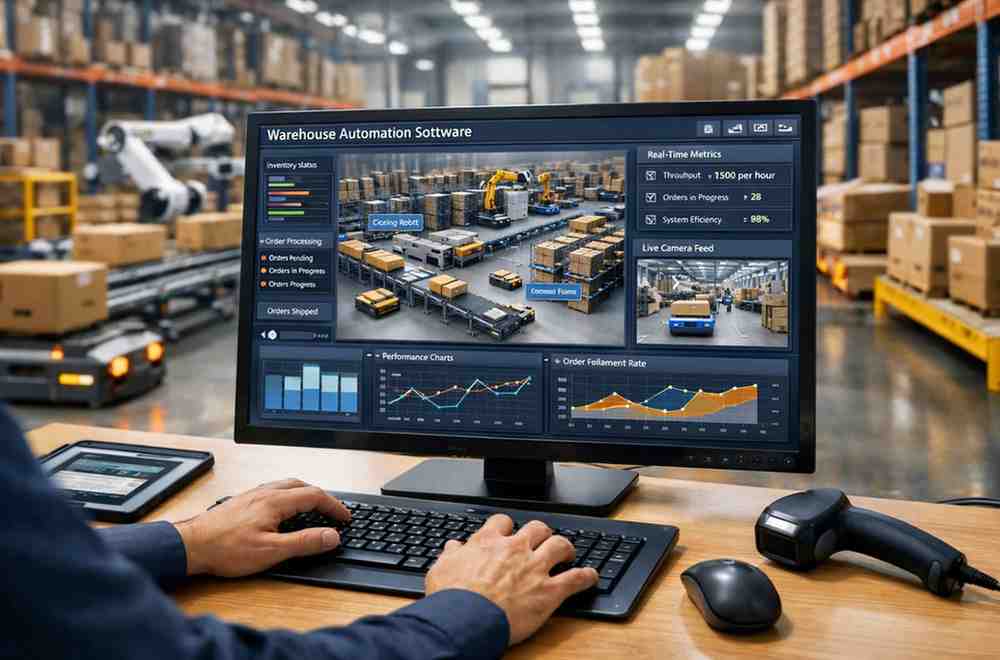
Warehouse Automation Software: Transforming Modern Supply Chains In today’s fast-moving supply chain environment, warehouses are no longer just storage spaces. They are high-performance hubs that directly impact delivery speed, customer satisfaction, and operating costs. As order volumes grow and customer expectations rise, manual processes struggle to keep up. This is where Warehouse Automation Software plays a critical role, helping businesses streamline operations, reduce errors, and scale efficiently. Understanding Warehouse Automation Software Warehouse Automation Software refers to digital systems designed to control, manage, and optimize warehouse operations through automation. These platforms integrate with hardware such as conveyors, robotic picking systems, automated storage and retrieval systems (AS/RS), barcode scanners, and IoT sensors. At the same time, they connect with enterprise systems like ERP, WMS, and order management tools. The goal is simple but powerful: replace repetitive, error-prone manual tasks with intelligent, software-driven workflows that improve accuracy, speed, and visibility across the warehouse. Why Warehouses Are Moving Toward Automation Traditional warehouses depend heavily on manual labor for picking, packing, inventory tracking, and dispatch. While this approach works at smaller scales, it becomes inefficient and costly as operations expand. Labor shortages, rising wages, and higher error rates make manual handling less sustainable. Automation software addresses these challenges by coordinating machines and people in real time. It ensures that inventory moves through the warehouse using the most efficient paths, that orders are prioritized correctly, and that stock levels remain accurate. This shift is not just about cutting costs; it is about building resilience and consistency in operations. Core Features That Drive Value A well-designed warehouse automation system offers a range of features that directly impact daily performance: Real-time inventory visibility to reduce stock discrepancies and prevent over- or under-stocking Automated picking and sorting logic to improve order accuracy and throughput Intelligent task allocation that balances workloads between human workers and machines Seamless system integration with ERP, transportation, and order management platforms Data analytics and reporting to identify bottlenecks and support continuous improvement Together, these features create a connected warehouse environment where decisions are based on live data rather than assumptions. Operational Benefits for Businesses The business impact of Warehouse Automation Software is measurable and long-term. One of the most immediate benefits is accuracy. Automated scanning, tracking, and validation drastically reduce picking and shipping errors, leading to fewer returns and higher customer trust. Speed is another key advantage. Automated workflows shorten order fulfillment cycles, enabling faster dispatch and same-day or next-day delivery options. This directly enhances customer satisfaction and brand reputation. Cost efficiency also improves over time. While automation requires upfront investment, businesses often see lower labor costs, reduced waste, and better space utilization. Warehouses can handle higher volumes without proportionally increasing staff or floor space. Scalability and Business Growth As companies grow, warehouse complexity increases. Seasonal spikes, new product lines, and multi-location fulfillment can overwhelm manual systems. Automation software supports scalability by adapting workflows dynamically based on volume and demand. For example, during peak periods, the system can prioritize high-value orders, adjust picking routes, and allocate additional automated resources where needed. This flexibility allows businesses to grow without constant operational restructuring. Industry Use Cases Warehouse automation is no longer limited to large enterprises. E-commerce, retail, manufacturing, pharmaceuticals, and logistics providers are increasingly adopting automation software to stay competitive. E-commerce warehouses rely on automation to handle high order volumes with short delivery windows. Manufacturers use it to manage raw materials and finished goods with precision. Pharmaceutical companies depend on automated systems for compliance, traceability, and controlled storage environments. Across industries, the common thread is the need for reliability, visibility, and speed. Implementation Considerations Successful adoption requires more than installing software. Businesses must assess their existing workflows, data quality, and infrastructure readiness. Integration with legacy systems should be planned carefully to avoid disruptions. Employee training is equally important. Automation works best when staff understand how to interact with the system and interpret its insights. A phased rollout often helps organizations adapt smoothly while delivering early value. The Strategic Role of Automation Warehouse automation is not just an operational upgrade; it is a strategic investment. It enables companies to respond quickly to market changes, improve service levels, and maintain control as complexity increases. In an era where fulfillment speed and accuracy define customer loyalty, automation becomes a competitive necessity rather than a luxury. Conclusion In conclusion, Warehouse Automation Software empowers businesses to build faster, smarter, and more resilient warehouse operations. By combining intelligent software with automated systems, organizations can reduce errors, scale with confidence, and deliver consistently high service levels in an increasingly demanding market.
Courier Aggregation Software: The Backbone of Modern Logistics Operations
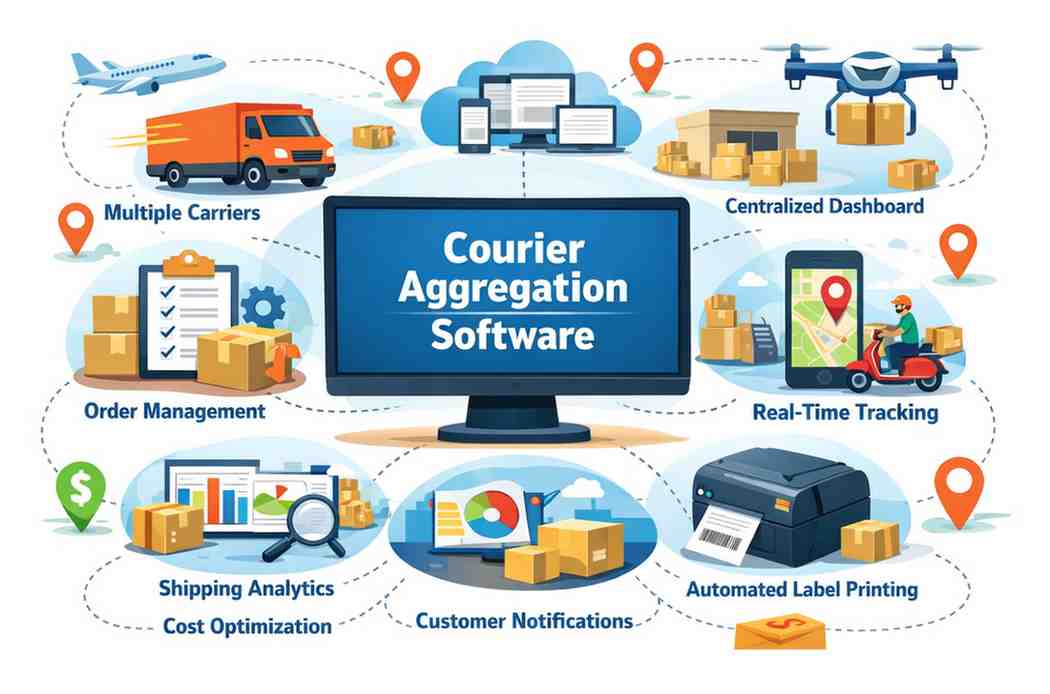
Courier Aggregation Software: The Backbone of Modern Logistics Operations The logistics industry is evolving faster than ever. Customers now expect same-day delivery, real-time tracking, flexible courier choices, and transparent pricing. For businesses trying to meet these expectations, managing multiple courier partners manually quickly becomes inefficient and error-prone. This is where Courier Aggregation Software plays a critical role. Courier aggregation platforms act as a single control layer that connects businesses with multiple courier services, helping them ship smarter, faster, and more cost-effectively. What Is Courier Aggregation Software? Courier aggregation software is a centralized system that integrates multiple courier partners into one platform. Instead of dealing with different dashboards, rate cards, and APIs, businesses can manage all shipping operations from one interface. With Courier Aggregation Software, companies can compare courier rates, allocate shipments automatically, generate shipping labels, track orders in real time, and handle returns efficiently. This consolidation reduces operational complexity while improving service quality. Why Businesses Are Moving Toward Courier Aggregation Modern businesses operate in a highly competitive environment where logistics performance directly impacts customer satisfaction. Delayed deliveries or lack of visibility can damage brand trust. Courier aggregation solves these challenges by offering flexibility. If one courier underperforms in a specific region, shipments can be rerouted through another partner without disrupting operations. This adaptability is especially valuable for ecommerce platforms, marketplaces, and D2C brands. In addition, courier aggregators negotiate bulk rates with logistics providers, allowing businesses to benefit from lower shipping costs without high shipment volumes. Key Features That Drive Operational Efficiency A well-designed courier aggregation platform focuses on automation, visibility, and control. Multi-Courier Integration The system connects with national, regional, and hyperlocal courier partners. Businesses can choose the best courier based on cost, delivery speed, serviceability, or customer preference. Smart Courier Allocation Rules-based allocation automatically assigns shipments to the most suitable courier. Factors such as destination, package weight, SLA, and historical performance are taken into account. Unified Tracking and Notifications Real-time tracking across all courier partners improves transparency. Customers receive consistent tracking updates regardless of which courier is used. Automated Labelling and Documentation Shipping labels, invoices, and manifests are generated automatically, reducing manual effort and minimizing errors. Returns and Reverse Logistics Courier aggregation platforms simplify returns by offering structured reverse logistics workflows, an often overlooked but critical part of customer experience. Business Impact Across Industries Courier aggregation is not limited to ecommerce alone. It supports a wide range of industries with distinct logistics needs. Retailers use aggregation platforms to balance cost and speed during peak sales periods. Healthcare and pharmacy distributors rely on reliable courier allocation for sensitive shipments. Manufacturers and B2B suppliers benefit from better visibility into last-mile delivery. For growing businesses, Courier Aggregation Software also enables scalability. As order volumes increase, the platform adapts without requiring additional manpower or complex system changes. Data-Driven Decision Making One of the most powerful advantages of courier aggregation is access to actionable data. Performance dashboards highlight delivery success rates, delays, courier reliability, and cost trends. This data helps businesses refine their logistics strategy. Poor-performing courier partners can be identified quickly, while high-performing ones receive more volume. Over time, this continuous optimization leads to faster deliveries and better customer satisfaction. Enhancing the Customer Experience From a customer’s perspective, logistics is a major touchpoint with the brand. Late deliveries or unclear tracking often result in complaints and negative reviews. Courier aggregation platforms ensure consistency. Customers experience uniform tracking updates, predictable delivery timelines, and smoother returns. These improvements translate into higher trust, repeat purchases, and long-term loyalty. For customer support teams, centralized shipment data reduces resolution time, allowing faster and more accurate responses to delivery-related queries. Security, Compliance, and Integration Modern courier aggregation solutions are built with enterprise-grade security and compliance standards. Data encryption, role-based access, and audit logs protect sensitive shipment information. Most platforms also integrate seamlessly with ecommerce systems, ERP software, order management systems, and marketplaces. This ensures that logistics workflows align smoothly with broader business operations. Conclusion As logistics complexity continues to grow, businesses can no longer afford fragmented shipping operations. Courier aggregation offers a practical, scalable, and customer-focused solution. By centralizing courier management, reducing costs, improving delivery performance, and enhancing visibility, Courier Aggregation Software becomes a strategic asset rather than just an operational tool. For companies aiming to deliver faster, smarter, and more reliably, adopting courier aggregation is no longer optional. It is a competitive necessity.
Why Logistics Technology Is Shifting Toward Marketplaces
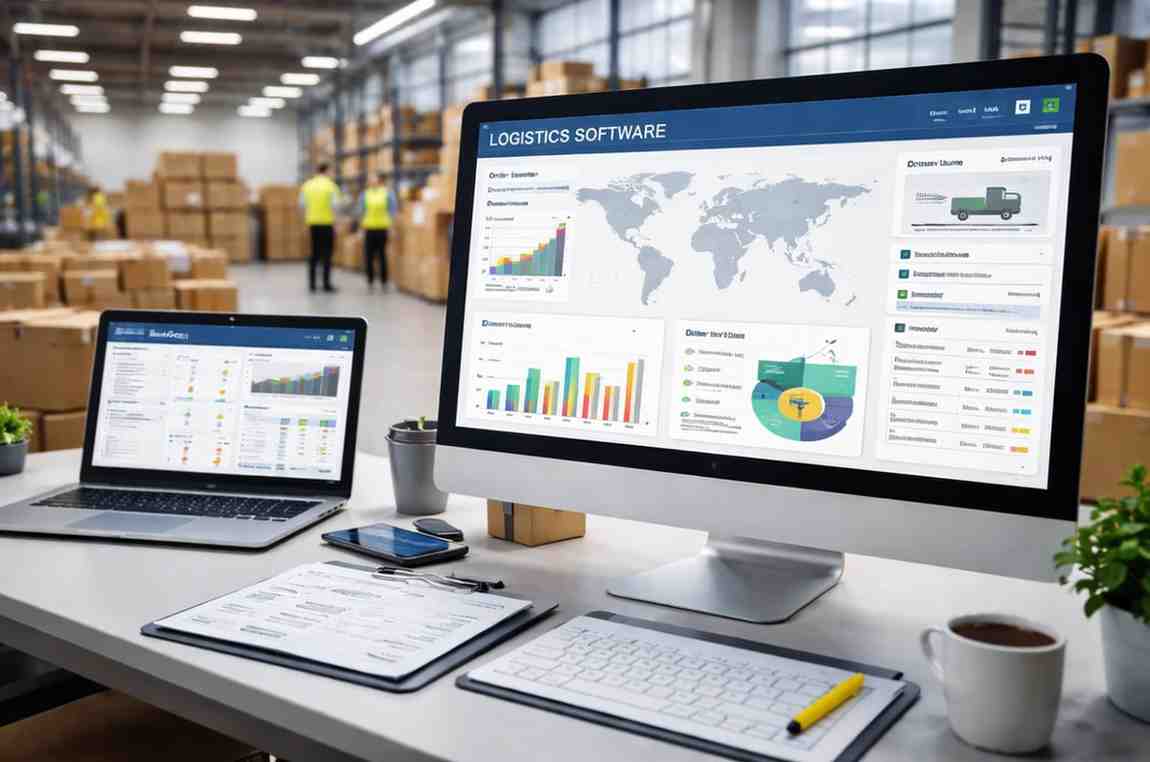
Why Logistics Technology Is Shifting Toward Marketplaces In an era defined by e-commerce growth, global supply chain complexity, and rising customer expectations, companies are seeking tools that do more than track shipments. They want platforms that connect shippers, carriers, warehouses, brokers, and service buyers in one ecosystem. That’s where Logistics Software comes in: a digital platform designed to bring buyers and providers together, simplify transactions, and drive operational efficiency across fragmented logistics networks. Unlike traditional transport management or warehouse systems that serve a narrow function, marketplace software supports the entire logistics value chain. It helps businesses source partners, compare services side-by-side, manage performance, and automate routine tasks. Over time, these platforms are becoming essential tools for firms that want flexibility without heavy capital investment in infrastructure. What This Software Actually Does At its core, Logistics Software acts as a neutral ground where logistics supply meets demand. Users can post their needs, while a variety of service providers respond with quotes and availability, often in real time. That alone brings several practical advantages: 1. Visibility and Choice A centralized marketplace gives businesses a broader view of available partners in categories such as freight, warehousing, customs support, and fulfilment. This visibility cuts through the traditional siloed process of contacting providers one by one, enabling smarter sourcing decisions. 2. Competitive Pricing and Efficiency Posted requirements attract multiple bids from carriers or service providers. Companies can compare based on cost, delivery timelines, geographical reach, and ratings. As a result, organizations often gain better pricing and service options than through conventional negotiations. 3. Integrated Workflows Modern marketplace platforms often include features like API integrations with existing enterprise systems such as CRM, ERP, and warehouse management tools. This ensures data flows seamlessly across systems. 4. Real-Time Tracking and Reporting Because these systems operate digitally and often embed tracking and analytics tools, stakeholders can follow shipments and performance metrics in real time. That transparency enhances accountability and supports continuous improvement. Core Features That Drive Value Successful marketplace software isn’t just a directory or a bidding board. The platforms that deliver measurable benefits share some common capabilities: Partner Onboarding and Management Efficient tools for adding and managing partners let companies scale their network without manual overhead. Self-serve portals reduce friction and improve responsiveness. Advanced Analytics Strong reporting dashboards and analytics support better decisions, shine a light on cost drivers, and help forecast capacity needs. Automated Payments and Commission Systems Automation in payments and settlements makes it easier to manage complex multi-party transactions, reducing errors and administrative delays. Seamless Integrations Marketplace platforms that plug into key business systems remove data silos, enabling more accurate tracking and fewer manual touchpoints. Collaboration Tools Features like shared dashboards, joint planning modules, and communication hubs help partners coordinate on deliveries, inventory updates, and exception handling. How Customers Benefit in Practical Terms While the idea may seem abstract, the real gains are tangible: Faster Decision-Making With more transparent options and dynamic quoting, companies can match requirements to providers quickly, reducing planning cycles and improving responsiveness. Lower Costs Competitive bidding often drives prices down. In addition, automation helps reduce manual tasks, cutting labour costs and errors. Improved Supply Chain Visibility Real-time tracking and analytics give stakeholders insights into shipments, partner performance, and potential bottlenecks before they become problems. Scalability As businesses grow or operate in multiple regions, marketplace platforms help manage that complexity without a proportional increase in staff or infrastructure. Challenges and What to Watch For Even the best systems aren’t plug-and-play. Adoption often depends on factors such as data quality, existing process maturity, and user buy-in. Some potential hurdles include: Partner data integration Ensuring all partners can connect digitally and exchange information securely can require investment in APIs or middleware. Change management Teams accustomed to manual or legacy systems may resist new workflows. Successful roll-outs emphasize training and communication. Performance benchmarking To ensure value, companies must establish KPIs and monitor partner performance consistently. Addressing these challenges early helps maximize the return on investment and supports smoother scaling. The Road Ahead The trend toward digital logistics marketplaces is accelerating. With e-commerce volumes rising and supply chains stretching across borders, connecting demand and service providers in intelligent platforms is no longer a luxury. These systems are evolving to support artificial intelligence, predictive analytics, and automated contract management, making them even more strategic. Conclusion For businesses that need flexible, modern supply chain tools, Logistics Software offers a compelling option. It simplifies how buyers connect with providers, delivers better pricing and transparency, and supports seamless workflows that enhance operational performance. As markets grow more competitive and complex, these platforms will increasingly become central to how companies design and manage logistics operations. Logistics Software is a strategic investment for any organization that expects resilience, scalability, and customer satisfaction in its logistics operations.
Driver & Vehicle App: Redefining Mobility Management in a Connected World

Driver & Vehicle App: Redefining Mobility Management in a Connected World The transportation ecosystem is evolving rapidly. Fleet owners, logistics providers, ride service operators, and even individual vehicle owners are moving away from manual coordination toward intelligent digital platforms. At the centre of this shift is the & Vehicle App, a solution designed to connect drivers, vehicles, and operations into one unified system. This article explores how such applications work, why they matter, and the real value they deliver to businesses and drivers alike. Understanding the Core Purpose of a Driver & Vehicle App A Driver & Vehicle App is not just a tracking tool. It is a comprehensive mobility management platform that bridges the gap between drivers on the road and operators managing vehicles from a central dashboard. These apps combine real time data, automation, and communication to reduce friction in daily transport operations. From assigning trips and monitoring vehicle health to tracking driver behavior and compliance, the app acts as a single source of truth. This centralized approach eliminates guesswork and manual follow ups, helping organizations make faster and more informed decisions. Key Features That Drive Real World Value What sets a modern Driver & Vehicle App apart is its ability to solve every day operational challenges. Core features typically include real time GPS tracking, trip scheduling, route optimization, driver performance monitoring, and digital documentation. For drivers, the app simplifies work. Trip details, navigation, alerts, and task updates are available in one place. For managers, it means visibility across the entire fleet. Vehicle usage, idle time, fuel efficiency, and maintenance alerts can be monitored without constant calls or spreadsheets. This balance between control and convenience is what makes the platform practical rather than intrusive. Improving Safety and Compliance Through Technology Safety and regulatory compliance are major concerns in transportation and logistics. A Driver & Vehicle App directly addresses these issues by promoting responsible driving and proactive maintenance. Features such as speed monitoring, harsh braking alerts, and fatigue detection encourage safer driving habits. Maintenance reminders and digital inspection checklists help ensure vehicles remain roadworthy. In regulated industries, automated logs and reports make audits easier and reduce the risk of penalties. For customers, this translates into safer journeys and more reliable service. For businesses, it builds trust and reduces long term risk. Data Driven Decision Making for Smarter Operations One of the most powerful aspects of a Driver & Vehicle App is the data it generates. Every trip, stop, and action creates insights that can be analysed to improve efficiency. Managers can identify underutilized vehicles, inefficient routes, or recurring driver issues. This data supports better planning, optimized scheduling, and reduced operational costs. Over time, patterns emerge that allow businesses to shift from reactive problem solving to proactive optimization. This analytical advantage is especially valuable for growing fleets that need scalability without losing control. Enhancing Customer Experience Through Transparency End customers may never see the backend of a Driver & Vehicle App, but they experience its impact directly. Accurate ETAs, timely notifications, and reliable service are all outcomes of better coordination between drivers and vehicles. When deliveries arrive on time and rides are smoother, customer satisfaction improves. Transparency also reduces disputes, as trip histories and digital records provide clear accountability. In competitive markets, this consistency becomes a key differentiator. Scalability and Integration in Modern Business Environments As businesses grow, their systems must grow with them. A well-designed Driver & Vehicle App supports scalability through cloud-based architecture and API integrations. It can connect with ERP systems, billing platforms, HR tools, and customer facing applications. This interoperability ensures that mobility management does not operate in isolation but becomes part of the broader digital ecosystem. For startups and enterprises alike, this flexibility protects technology investments and supports long term growth. Conclusion In a world where mobility efficiency directly impacts profitability and customer trust, the Driver & Vehicle App has become a strategic necessity rather than a convenience. By connecting drivers, vehicles, and data into a single intelligent platform, it enables safer operations, smarter decisions, and better customer experiences. Organizations that adopt this approach are not just managing vehicles. They are building resilient, future ready mobility systems.
Transport Billing & Settlement Software: Bringing Accuracy, Speed, and Control to Modern Logistics
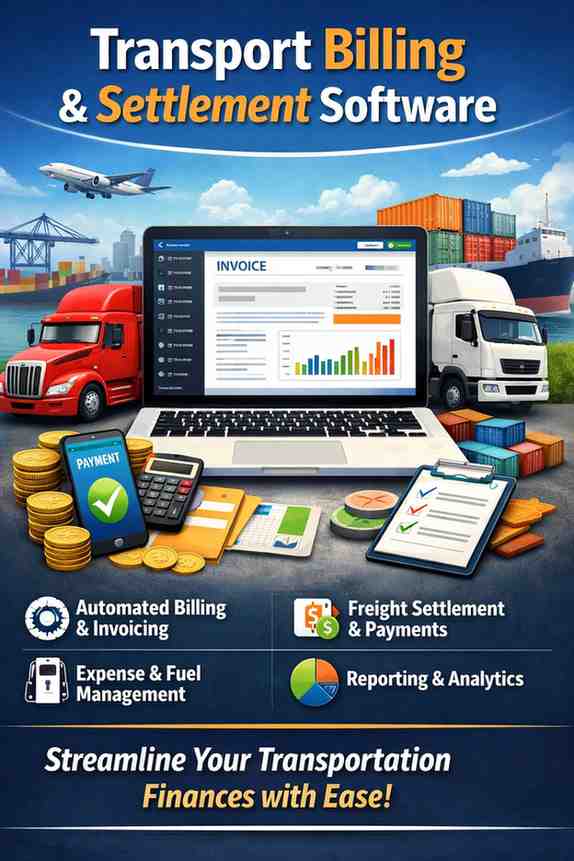
Transport Billing & Settlement Software: Bringing Accuracy, Speed, and Control to Modern Logistics The transportation and logistics industry runs on thin margins, high volumes, and constant coordination between shippers, carriers, brokers, and finance teams. In this environment, billing errors, delayed settlements, and manual reconciliation are not just operational issues. They directly impact cash flow, trust, and long-term profitability. This is where Transport Billing & Settlement Software becomes a critical business enabler rather than just a back-office tool. The Growing Complexity of Transport Billing Transport billing is no longer a simple invoice generation process. Modern logistics operations involve multiple rate contracts, fuel surcharges, accessorial charges, taxes, tolls, and regulatory requirements. Add multimodal transport, cross-border shipments, and third-party carriers, and the billing landscape becomes highly complex. Manual processes or disconnected systems struggle to keep up with this complexity. They often lead to duplicate billing, missed charges, delayed approvals, and disputes with partners. Over time, these inefficiencies erode margins and slow down settlements. A structured, automated billing system is no longer optional for companies aiming to scale. What Transport Billing & Settlement Software Really Does At its core, Transport Billing & Settlement Software automates the entire lifecycle of transport financial transactions. This includes rate validation, invoice generation, exception handling, approvals, settlements, and reporting. Instead of relying on spreadsheets or fragmented tools, businesses gain a centralized platform that aligns operational data with financial rules. Shipment details, delivery confirmations, and contract rates flow directly into billing workflows. The result is faster invoicing, fewer disputes, and predictable settlement cycles for all stakeholders. Key Business Benefits for Logistics and Transport Companies Improved Billing Accuracy Automated rate matching ensures that every invoice aligns with predefined contracts and tariffs. This drastically reduces overbilling or underbilling, protecting both revenue and customer trust. Faster Settlement Cycles With automated approvals and digital workflows, settlements that once took weeks can be completed in days. This improves cash flow and strengthens relationships with carriers and vendors. Reduced Operational Overhead Finance teams spend less time reconciling invoices and more time on analysis and optimization. This translates into lower processing costs and better resource utilization. Better Dispute Management When discrepancies arise, the system provides clear audit trails, documentation, and data visibility. Disputes can be resolved faster with facts rather than assumptions. Supporting Scalability and Business Growth As transport businesses grow, transaction volumes increase exponentially. Manual billing processes do not scale at the same pace. Transport Billing & Settlement Software is designed to handle high volumes without compromising accuracy or control. Whether a company operates regionally or across multiple countries, the software adapts to different pricing models, currencies, and compliance requirements. This flexibility allows organizations to expand operations without rebuilding their financial infrastructure every time. Data Visibility and Strategic Insights Beyond billing and settlement, modern solutions offer advanced reporting and analytics. Management teams gain visibility into cost structures, carrier performance, route profitability, and billing trends. These insights support better decision-making. Companies can renegotiate contracts, optimize routes, and identify leakage points that were previously hidden in manual records. Over time, this data-driven approach leads to stronger financial discipline and competitive advantage. Customer Experience and Partner Trust Accurate and timely billing directly impacts customer satisfaction. Shippers expect transparent invoices, while carriers value prompt and predictable settlements. A reliable billing system ensures consistency on both sides. When customers and partners trust the billing process, relationships become smoother and long-term collaboration becomes easier. This trust is a significant differentiator in a highly competitive logistics market. Integration with Existing Transport Systems Modern transport billing platforms are designed to integrate seamlessly with TMS, ERP, GPS tracking, and warehouse systems. This ensures that billing is not an isolated function but part of an integrated digital ecosystem. Such integration eliminates data silos and ensures that operational events automatically trigger financial actions. The result is a unified flow from shipment execution to final settlement. Conclusion In an industry where efficiency, transparency, and speed define success, Transport Billing & Settlement Software plays a central role in transforming financial operations. By reducing errors, accelerating settlements, and providing actionable insights, it helps transport and logistics businesses protect margins, strengthen relationships, and scale with confidence.
Shipment Tracking Software: The Backbone of Modern Logistics Visibility

Shipment Tracking Software: The Backbone of Modern Logistics Visibility In today’s fast-moving supply chain ecosystem, visibility is no longer optional. Customers expect accurate delivery timelines, businesses demand operational transparency, and logistics teams need real-time control. This is where Shipment Tracking Software becomes a critical business enabler rather than just a supporting tool. Shipment tracking has evolved far beyond simple location updates. Modern solutions integrate data, automation, and analytics to deliver a complete picture of shipments across carriers, geographies, and transportation modes. What Is Shipment Tracking Software? Shipment Tracking Software is a digital system designed to monitor, manage, and communicate the status of shipments throughout the logistics lifecycle. From dispatch to final delivery, it provides real-time updates using technologies such as GPS, RFID, IoT sensors, and API integrations with carriers. For businesses, this means fewer blind spots, faster issue resolution, and improved coordination across supply chain stakeholders. For customers, it translates into transparency, trust, and predictability. Why Shipment Visibility Matters More Than Ever Global supply chains are increasingly complex. Multiple vendors, cross-border regulations, unpredictable delays, and rising customer expectations have made traditional tracking methods ineffective. Without a centralized tracking platform, businesses often face: Delayed shipments with no clear root cause High customer support volumes Inefficient manual follow-ups Poor delivery performance metrics A robust Shipment Tracking Software addresses these challenges by turning fragmented shipment data into actionable insights. It enables proactive decision-making instead of reactive firefighting. Key Features That Drive Business Value 1. Real-Time Tracking and Alerts Live tracking allows logistics teams to see the exact location and status of shipments at any moment. Automated alerts notify stakeholders about delays, route deviations, or delivery confirmations, reducing dependency on manual updates. 2. Multi-Carrier Integration Modern businesses work with multiple carriers. Advanced tracking software consolidates data from different logistics partners into a single dashboard, eliminating the need to juggle multiple systems. 3. Customer-Facing Tracking Portals Self-service tracking portals empower customers to check shipment status independently. This not only improves customer satisfaction but also significantly reduces support queries. 4. Data Analytics and Performance Metrics Tracking software captures delivery times, transit delays, and carrier performance. These insights help businesses optimize routes, renegotiate carrier contracts, and improve overall logistics efficiency. Industry Use Cases Across Sectors Shipment tracking software is not limited to logistics companies alone. Its impact spans multiple industries: E-commerce and Retail: Accurate delivery updates build customer trust and reduce cart abandonment. Manufacturing: Real-time tracking ensures just-in-time inventory and uninterrupted production schedules. Healthcare and Pharma: Tracking temperature-sensitive shipments ensures regulatory compliance and product integrity. Wholesale and Distribution: Improved coordination between warehouses, transporters, and retailers minimizes delays and losses. Across all these sectors, the common thread is the need for visibility, reliability, and accountability. Customer Experience as a Competitive Advantage Today’s customers judge brands not only by product quality but also by delivery experience. Missed delivery windows, lack of updates, or unclear tracking information can damage brand reputation. By implementing Shipment Tracking Software, businesses shift from reactive customer support to proactive communication. Automated notifications, accurate ETAs, and transparent tracking create confidence and loyalty, even when delays occur. In many cases, customers are more forgiving of delays when they are informed early and accurately. Operational Efficiency and Cost Control From an internal perspective, shipment tracking software reduces operational overhead. Automation replaces manual status checks, while centralized data eliminates duplication of effort. Logistics managers can identify bottlenecks, optimize routes, and improve fleet utilization. Over time, these efficiencies translate into lower transportation costs, fewer lost shipments, and better resource planning. Choosing the Right Solution When selecting shipment tracking software, businesses should consider: Scalability for future growth Ease of integration with existing ERP or CRM systems Customizable alerts and dashboards Data security and compliance standards Quality of customer support and onboarding A well-chosen platform becomes a long-term asset rather than a short-term fix. Conclusion In an environment where speed, accuracy, and transparency define success, Shipment Tracking Software is no longer optional. It is a strategic tool that strengthens customer trust, improves operational efficiency, and enables data-driven logistics decisions. Businesses that invest in the right tracking solution position themselves to compete confidently in an increasingly demanding supply chain landscape.
Delivery Route Optimization Software: A Strategic Necessity for Modern Logistics
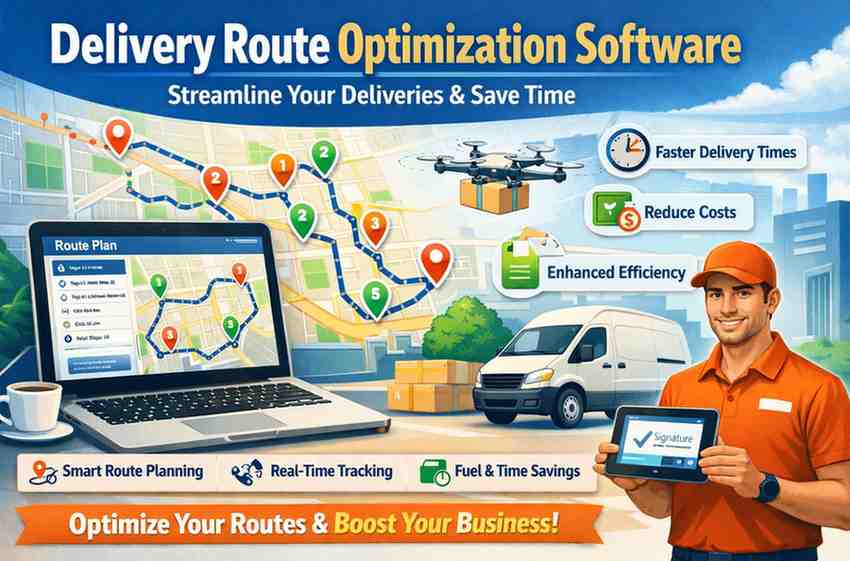
Delivery Route Optimization Software: A Strategic Necessity for Modern Logistics In today’s fast-paced delivery economy, speed, accuracy, and cost control define success. Businesses handling last-mile delivery face constant pressure from rising fuel costs, tighter delivery windows, and growing customer expectations. This is where Delivery Route Optimization Software becomes more than a technical upgrade. It becomes a strategic operational tool that directly impacts profitability and customer satisfaction. Understanding Delivery Route Optimization Software At its core, Delivery Route Optimization Software uses advanced algorithms, real-time data, and mapping intelligence to determine the most efficient delivery routes. Unlike static route planning, this software dynamically accounts for traffic conditions, delivery priorities, vehicle capacity, driver availability, and time windows. Traditional manual planning relies heavily on experience and assumptions. While this may work at a small scale, it quickly breaks down as delivery volume grows. Route optimization software replaces guesswork with data-driven decisions, enabling businesses to adapt instantly to real-world conditions. Why Route Optimization Matters in Today’s Market Customer expectations have shifted dramatically. Same-day delivery, real-time tracking, and accurate ETAs are no longer premium services. They are baseline requirements. When routes are inefficient, the impact is immediate: delayed deliveries, increased fuel consumption, driver fatigue, and dissatisfied customers. Route optimization software addresses these challenges by creating balanced delivery routes that reduce travel distance and idle time. This results in faster deliveries, lower operational costs, and a more predictable delivery experience. For businesses operating on thin margins, these gains are not optional. They are essential for survival. Operational Benefits for Businesses The most visible benefit of Delivery Route Optimization Software is cost reduction. Optimized routes directly lower fuel usage and vehicle wear. Over time, this significantly reduces fleet maintenance expenses and extends vehicle lifespan. Another major advantage is improved driver productivity. When routes are logically sequenced and realistic, drivers spend less time backtracking or waiting. This reduces stress, improves morale, and increases daily delivery capacity without adding more vehicles or staff. From a management perspective, route optimization software provides transparency. Dispatchers can monitor routes in real time, respond to exceptions quickly, and make informed decisions when disruptions occur. This level of control is difficult to achieve with manual planning methods. Data-Driven Decision Making One of the most powerful aspects of modern route optimization platforms is data analytics. These systems continuously collect data on delivery times, delays, fuel consumption, and driver performance. Over time, this data reveals patterns that help businesses refine their delivery strategies. For example, recurring delays in specific areas may indicate the need for different delivery windows or alternate routes. Seasonal demand fluctuations can be planned for in advance. Instead of reacting to problems, businesses gain the ability to anticipate and prevent them. Scalability and Business Growth As businesses expand, delivery complexity increases. New service areas, higher order volumes, and diverse delivery requirements make manual planning unsustainable. Delivery Route Optimization Software scales effortlessly with business growth. Whether a company operates five vehicles or five hundred, route optimization systems adjust to changing conditions without adding administrative overhead. This scalability allows businesses to grow confidently, knowing their delivery operations can handle increased demand without compromising efficiency. Customer Experience as a Competitive Advantage Customers rarely see the logistics behind a delivery, but they always feel the outcome. Accurate ETAs, timely deliveries, and proactive communication build trust. When delays occur, real-time route optimization enables businesses to notify customers early and adjust plans instantly. This reliability strengthens brand reputation. In competitive markets, a consistently smooth delivery experience often becomes a key differentiator. Customers are more likely to reorder from businesses that respect their time and communicate clearly. Integration with Modern Logistics Systems Route optimization software does not operate in isolation. It integrates seamlessly with order management systems, warehouse platforms, GPS tracking, and customer notification tools. This creates a unified logistics ecosystem where data flows smoothly from order placement to final delivery. Such integration reduces manual data entry, minimizes errors, and accelerates decision-making. For businesses pursuing digital transformation, route optimization becomes a foundational component rather than a standalone feature. Conclusion In an environment where efficiency defines competitiveness, Delivery Route Optimization Software is no longer a luxury. It is a critical investment that improves cost control, operational visibility, scalability, and customer satisfaction. Businesses that adopt route optimization gain the agility to adapt, the intelligence to improve continuously, and the reliability that modern customers expect.