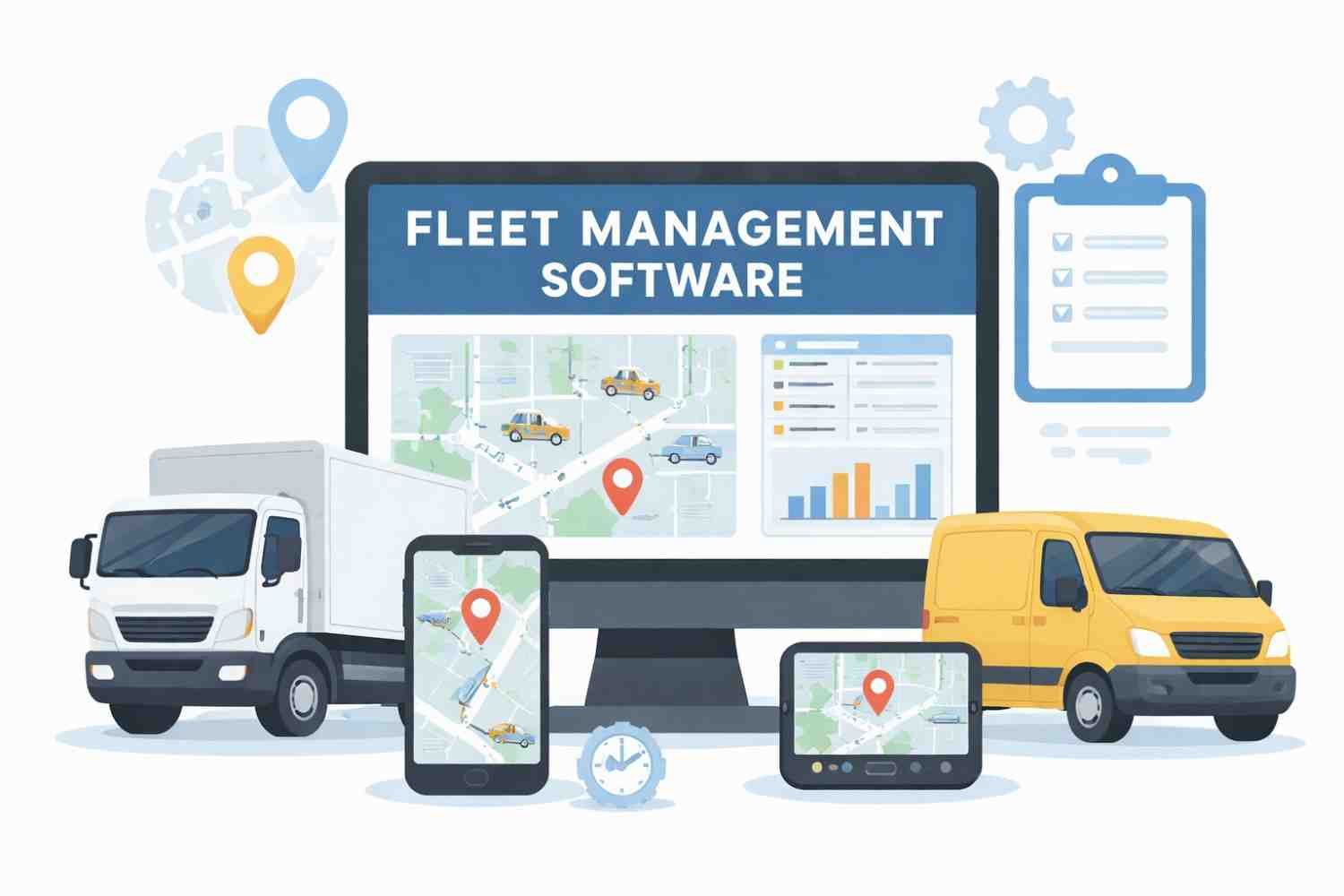
Fleet Management Software: Driving Operational Control and Business Efficiency In industries where vehicles are critical assets, managing fleets manually is no longer practical. Rising fuel costs, compliance requirements, driver safety concerns, and customer expectations demand smarter systems. This is where Fleet Management Software plays a decisive role. It transforms scattered vehicle data into actionable insights, helping organizations control costs, improve performance, and scale with confidence. Understanding Fleet Management Software At its core, Fleet Management Software is a centralized digital platform that monitors, manages, and optimizes vehicle operations. It integrates GPS tracking, telematics, fuel analytics, maintenance scheduling, driver behaviour monitoring, and compliance reporting into a single system. Unlike traditional logbooks or disconnected tools, modern solutions provide real-time visibility across the entire fleet. Fleet managers can instantly see vehicle locations, usage patterns, and operational health, enabling faster decisions and proactive issue resolution. Why Fleet Operations Need Digital Transformation Fleet operations are exposed to constant variables. Fuel price fluctuations, unpredictable traffic conditions, vehicle wear and tear, and human error all impact profitability. Manual oversight increases the risk of inefficiencies, missed maintenance, and compliance penalties. By adopting Fleet Management Software, businesses gain structured control over these variables. Automated alerts, predictive maintenance insights, and performance dashboards reduce operational blind spots. This shift from reactive to data-driven management directly improves uptime and lowers total cost of ownership. Key Features That Deliver Business Value A robust fleet management system is designed around measurable outcomes rather than just tracking vehicles. Real-time GPS tracking allows dispatch teams to optimize routes, reduce idle time, and improve delivery accuracy. Maintenance management modules schedule servicing based on mileage, engine data, or time intervals, preventing costly breakdowns. Fuel monitoring tools detect wastage, theft, or inefficient driving patterns. Driver behaviour analytics improve safety by tracking harsh braking, overseeding, and fatigue indicators. Compliance management ensures adherence to regulatory requirements through automated documentation and reporting. Together, these features create a connected ecosystem that improves accountability and transparency across the fleet. Impact on Cost Control and Profitability Fleet expenses extend far beyond fuel and vehicle purchase. Unplanned downtime, inefficient routing, and poor driving habits silently drain margins. This is where data becomes a competitive advantage. With Fleet Management Software, organizations gain precise cost visibility. Managers can identify underutilized vehicles, eliminate redundant trips, and improve asset allocation. Predictive analytics helps plan replacements and avoid emergency repairs, stabilizing long-term budgets. Over time, these incremental savings compound into significant financial gains, making the software a strategic investment rather than an operational expense. Enhancing Customer Experience and Service Reliability Customer expectations around delivery accuracy and transparency are higher than ever. Missed deadlines or lack of shipment visibility can damage trust quickly. Fleet management platforms enable real-time updates, accurate ETAs, and faster issue resolution. When delays occur, teams can proactively inform customers instead of reacting to complaints. Improved route planning also ensures consistent service levels, especially in logistics, retail distribution, and field service industries. Reliable fleet operations directly translate into stronger customer relationships and higher retention. Supporting Scalability and Business Growth As businesses expand, fleet complexity increases. Managing ten vehicles manually might be possible, but managing hundreds or thousands is not. Scalability requires systems that grow without adding proportional overhead. Modern fleet management solutions are cloud-based and modular. New vehicles, routes, or locations can be added without disrupting existing operations. Data standardization across regions ensures consistent reporting and governance, even as the business grows. This scalability allows leadership teams to focus on strategic growth rather than operational firefighting. Security, Compliance, and Risk Management Fleet operations carry inherent risks, including accidents, regulatory violations, and asset theft. Digital fleet platforms help mitigate these risks through continuous monitoring and audit readiness. Geofencing alerts prevent unauthorized vehicle usage. Driver scorecards encourage safer driving habits. Automated compliance reports reduce the burden of audits and inspections. These capabilities protect both financial assets and brand reputation. Conclusion In a competitive and cost-sensitive environment, fleet efficiency is no longer optional. Businesses that rely on vehicles need visibility, control, and intelligence across every mile driven. Fleet Management Software provides that foundation by turning operational data into strategic advantage. By improving cost control, safety, compliance, and customer satisfaction, it enables organizations to operate smarter today and scale confidently for tomorrow.
