




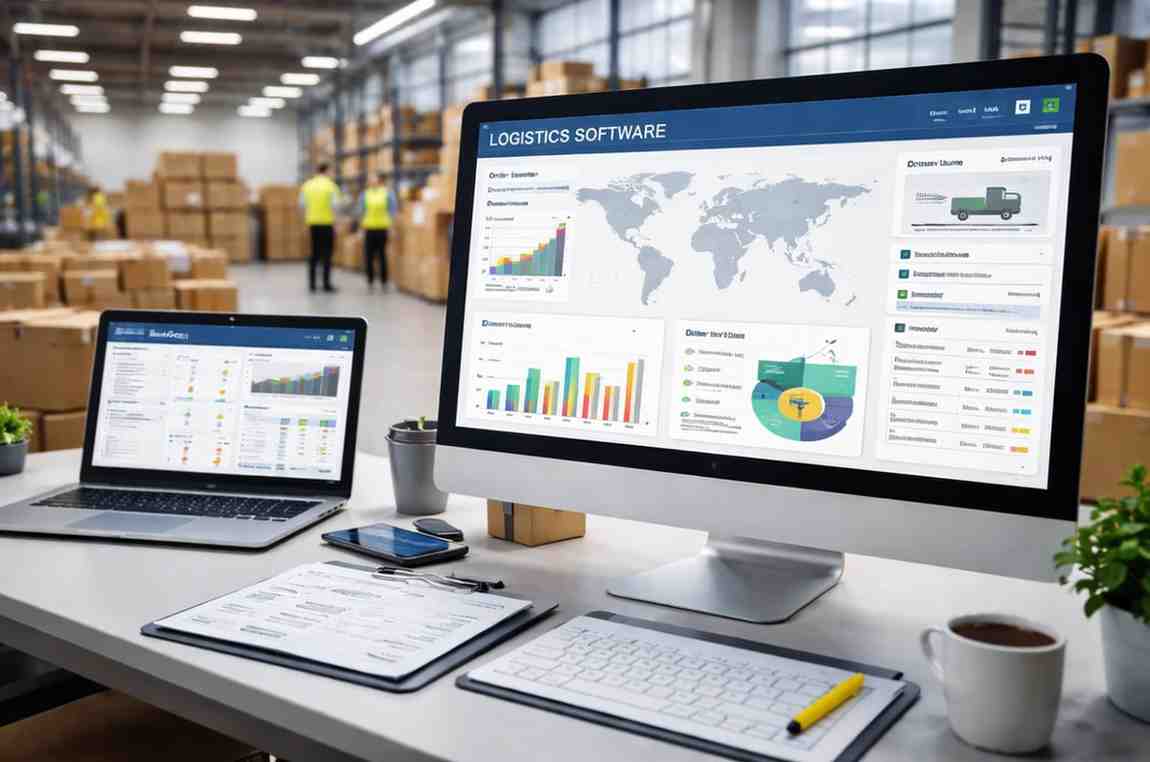
Why Logistics Technology Is Shifting Toward Marketplaces
In an era defined by e-commerce growth, global supply chain complexity, and rising customer expectations, companies are seeking tools that do more than track shipments. They want platforms that connect shippers, carriers, warehouses, brokers, and service buyers in one ecosystem. That’s where Logistics Software comes in: a digital platform designed to bring buyers and providers together, simplify transactions, and drive operational efficiency across fragmented logistics networks.
Unlike traditional transport management or warehouse systems that serve a narrow function, marketplace software supports the entire logistics value chain. It helps businesses source partners, compare services side-by-side, manage performance, and automate routine tasks. Over time, these platforms are becoming essential tools for firms that want flexibility without heavy capital investment in infrastructure.
What This Software Actually Does
At its core, Logistics Software acts as a neutral ground where logistics supply meets demand. Users can post their needs, while a variety of service providers respond with quotes and availability, often in real time. That alone brings several practical advantages:
1. Visibility and Choice
A centralized marketplace gives businesses a broader view of available partners in categories such as freight, warehousing, customs support, and fulfilment. This visibility cuts through the traditional siloed process of contacting providers one by one, enabling smarter sourcing decisions.
2. Competitive Pricing and Efficiency
Posted requirements attract multiple bids from carriers or service providers. Companies can compare based on cost, delivery timelines, geographical reach, and ratings. As a result, organizations often gain better pricing and service options than through conventional negotiations.
3. Integrated Workflows
Modern marketplace platforms often include features like API integrations with existing enterprise systems such as CRM, ERP, and warehouse management tools. This ensures data flows seamlessly across systems.
4. Real-Time Tracking and Reporting
Because these systems operate digitally and often embed tracking and analytics tools, stakeholders can follow shipments and performance metrics in real time. That transparency enhances accountability and supports continuous improvement.
Core Features That Drive Value
Successful marketplace software isn’t just a directory or a bidding board. The platforms that deliver measurable benefits share some common capabilities:
Partner Onboarding and Management
Efficient tools for adding and managing partners let companies scale their network without manual overhead. Self-serve portals reduce friction and improve responsiveness.
Advanced Analytics
Strong reporting dashboards and analytics support better decisions, shine a light on cost drivers, and help forecast capacity needs.
Automated Payments and Commission Systems
Automation in payments and settlements makes it easier to manage complex multi-party transactions, reducing errors and administrative delays.
Seamless Integrations
Marketplace platforms that plug into key business systems remove data silos, enabling more accurate tracking and fewer manual touchpoints.
Collaboration Tools
Features like shared dashboards, joint planning modules, and communication hubs help partners coordinate on deliveries, inventory updates, and exception handling.
How Customers Benefit in Practical Terms
While the idea may seem abstract, the real gains are tangible:
Faster Decision-Making
With more transparent options and dynamic quoting, companies can match requirements to providers quickly, reducing planning cycles and improving responsiveness.
Lower Costs
Competitive bidding often drives prices down. In addition, automation helps reduce manual tasks, cutting labour costs and errors.
Improved Supply Chain Visibility
Real-time tracking and analytics give stakeholders insights into shipments, partner performance, and potential bottlenecks before they become problems.
Scalability
As businesses grow or operate in multiple regions, marketplace platforms help manage that complexity without a proportional increase in staff or infrastructure.
Challenges and What to Watch For
Even the best systems aren’t plug-and-play. Adoption often depends on factors such as data quality, existing process maturity, and user buy-in. Some potential hurdles include:
Partner data integration
Ensuring all partners can connect digitally and exchange information securely can require investment in APIs or middleware.
Change management
Teams accustomed to manual or legacy systems may resist new workflows. Successful roll-outs emphasize training and communication.
Performance benchmarking
To ensure value, companies must establish KPIs and monitor partner performance consistently.
Addressing these challenges early helps maximize the return on investment and supports smoother scaling.
The Road Ahead
The trend toward digital logistics marketplaces is accelerating. With e-commerce volumes rising and supply chains stretching across borders, connecting demand and service providers in intelligent platforms is no longer a luxury. These systems are evolving to support artificial intelligence, predictive analytics, and automated contract management, making them even more strategic.
Conclusion
For businesses that need flexible, modern supply chain tools, Logistics Software offers a compelling option. It simplifies how buyers connect with providers, delivers better pricing and transparency, and supports seamless workflows that enhance operational performance. As markets grow more competitive and complex, these platforms will increasingly become central to how companies design and manage logistics operations. Logistics Software is a strategic investment for any organization that expects resilience, scalability, and customer satisfaction in its logistics operations.

