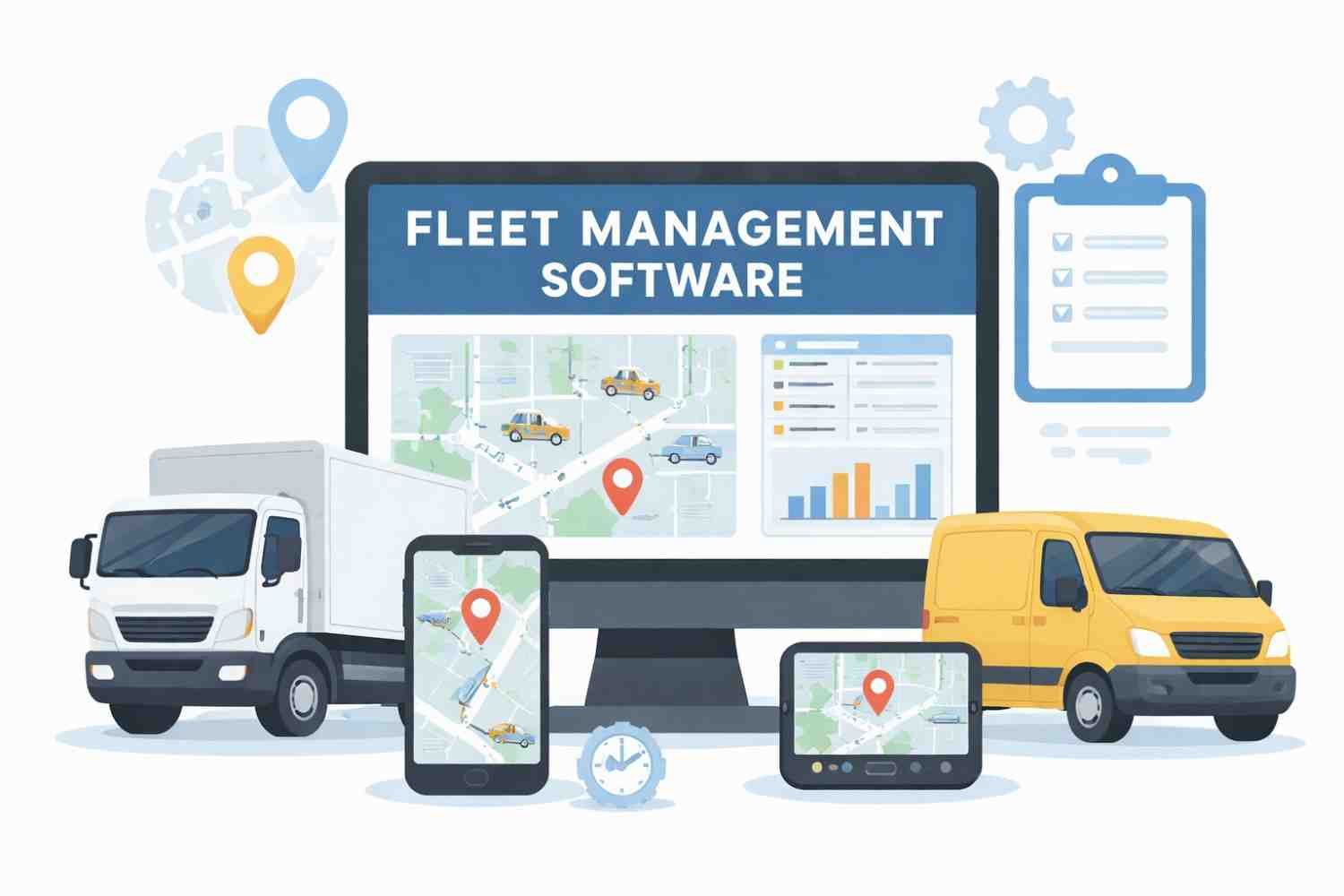
Fleet Management Software: Driving Operational Control and Business Efficiency In industries where vehicles are critical assets, managing fleets manually is no longer practical. Rising fuel costs, compliance requirements, driver safety concerns, and customer expectations demand smarter systems. This is where Fleet Management Software plays a decisive role. It transforms scattered vehicle data into actionable insights, helping organizations control costs, improve performance, and scale with confidence. Understanding Fleet Management Software At its core, Fleet Management Software is a centralized digital platform that monitors, manages, and optimizes vehicle operations. It integrates GPS tracking, telematics, fuel analytics, maintenance scheduling, driver behaviour monitoring, and compliance reporting into a single system. Unlike traditional logbooks or disconnected tools, modern solutions provide real-time visibility across the entire fleet. Fleet managers can instantly see vehicle locations, usage patterns, and operational health, enabling faster decisions and proactive issue resolution. Why Fleet Operations Need Digital Transformation Fleet operations are exposed to constant variables. Fuel price fluctuations, unpredictable traffic conditions, vehicle wear and tear, and human error all impact profitability. Manual oversight increases the risk of inefficiencies, missed maintenance, and compliance penalties. By adopting Fleet Management Software, businesses gain structured control over these variables. Automated alerts, predictive maintenance insights, and performance dashboards reduce operational blind spots. This shift from reactive to data-driven management directly improves uptime and lowers total cost of ownership. Key Features That Deliver Business Value A robust fleet management system is designed around measurable outcomes rather than just tracking vehicles. Real-time GPS tracking allows dispatch teams to optimize routes, reduce idle time, and improve delivery accuracy. Maintenance management modules schedule servicing based on mileage, engine data, or time intervals, preventing costly breakdowns. Fuel monitoring tools detect wastage, theft, or inefficient driving patterns. Driver behaviour analytics improve safety by tracking harsh braking, overseeding, and fatigue indicators. Compliance management ensures adherence to regulatory requirements through automated documentation and reporting. Together, these features create a connected ecosystem that improves accountability and transparency across the fleet. Impact on Cost Control and Profitability Fleet expenses extend far beyond fuel and vehicle purchase. Unplanned downtime, inefficient routing, and poor driving habits silently drain margins. This is where data becomes a competitive advantage. With Fleet Management Software, organizations gain precise cost visibility. Managers can identify underutilized vehicles, eliminate redundant trips, and improve asset allocation. Predictive analytics helps plan replacements and avoid emergency repairs, stabilizing long-term budgets. Over time, these incremental savings compound into significant financial gains, making the software a strategic investment rather than an operational expense. Enhancing Customer Experience and Service Reliability Customer expectations around delivery accuracy and transparency are higher than ever. Missed deadlines or lack of shipment visibility can damage trust quickly. Fleet management platforms enable real-time updates, accurate ETAs, and faster issue resolution. When delays occur, teams can proactively inform customers instead of reacting to complaints. Improved route planning also ensures consistent service levels, especially in logistics, retail distribution, and field service industries. Reliable fleet operations directly translate into stronger customer relationships and higher retention. Supporting Scalability and Business Growth As businesses expand, fleet complexity increases. Managing ten vehicles manually might be possible, but managing hundreds or thousands is not. Scalability requires systems that grow without adding proportional overhead. Modern fleet management solutions are cloud-based and modular. New vehicles, routes, or locations can be added without disrupting existing operations. Data standardization across regions ensures consistent reporting and governance, even as the business grows. This scalability allows leadership teams to focus on strategic growth rather than operational firefighting. Security, Compliance, and Risk Management Fleet operations carry inherent risks, including accidents, regulatory violations, and asset theft. Digital fleet platforms help mitigate these risks through continuous monitoring and audit readiness. Geofencing alerts prevent unauthorized vehicle usage. Driver scorecards encourage safer driving habits. Automated compliance reports reduce the burden of audits and inspections. These capabilities protect both financial assets and brand reputation. Conclusion In a competitive and cost-sensitive environment, fleet efficiency is no longer optional. Businesses that rely on vehicles need visibility, control, and intelligence across every mile driven. Fleet Management Software provides that foundation by turning operational data into strategic advantage. By improving cost control, safety, compliance, and customer satisfaction, it enables organizations to operate smarter today and scale confidently for tomorrow.

Category: Blog
Learning Management Software: Building Smarter, Scalable Learning Systems
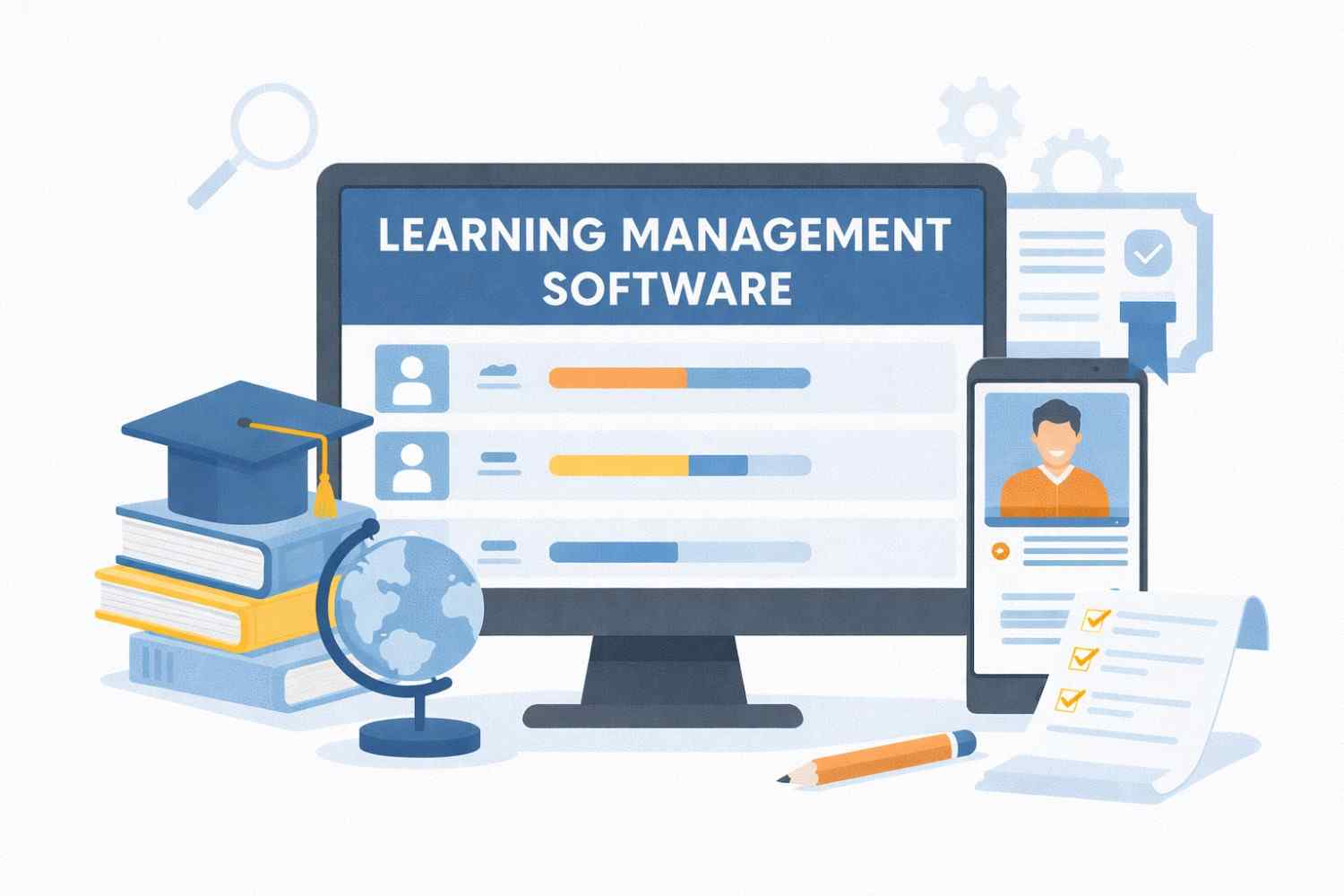
Learning Management Software: Building Smarter, Scalable Learning Systems In today’s fast moving digital economy, learning is no longer a one time event. Organizations need continuous skill development, consistent knowledge sharing, and measurable outcomes. This is where Learning Management Software plays a central role. It provides a structured, technology driven way to create, manage, deliver, and track learning across teams, institutions, and audiences. This article explores how Learning Management Software works, why it matters, and how businesses and educators can use it to create real value rather than just host online courses. What Is Learning Management Software? Learning Management Software, often referred to as an LMS, is a digital platform designed to manage learning activities in one centralized system. It allows organizations to upload learning content, enroll users, track progress, assess performance, and generate reports. Modern LMS platforms go beyond basic course hosting. They support blended learning models, mobile access, certifications, role based training paths, and integration with other enterprise systems. The goal is simple: make learning accessible, measurable, and aligned with business or academic objectives. Why Learning Management Software Is Critical Today The shift toward remote work, hybrid classrooms, and global teams has changed how learning is delivered. Traditional classroom based methods struggle to scale and lack visibility. Learning Management Software solves these challenges by offering consistency and flexibility at the same time. From onboarding new employees to upskilling existing teams, LMS platforms ensure that the right knowledge reaches the right people at the right time. For educational institutions, it enables structured curriculum delivery while supporting self paced learning. For businesses, it turns training into a strategic asset instead of a cost center. Key Features That Define an Effective LMS A strong Learning Management Software platform is built around user experience and outcomes. Some of the most important features include: Centralized Content Management All learning materials videos, documents, quizzes, and assignments are stored in one place. This reduces duplication and ensures version control. User and Role Management Administrators can assign courses based on roles, departments, or skill levels. Learners see only what is relevant to them, which improves engagement. Progress Tracking and Analytics Dashboards and reports provide visibility into course completion, assessment scores, and learner behavior. These insights help organizations refine their training strategy. Assessment and Certification Quizzes, exams, and certifications help validate learning outcomes and ensure compliance with internal or external standards. Integration and Scalability Modern LMS platforms integrate with HR systems, CRM tools, and communication platforms, allowing learning to fit naturally into existing workflows. Business Impact of Learning Management Software The real value of an LMS lies in how it supports business goals. Learning Management Software helps organizations reduce training costs by minimizing travel, instructor dependency, and manual administration. It also accelerates time to productivity. New hires can start learning from day one, while experienced employees can quickly update their skills as technologies and processes change. For customer facing organizations, LMS platforms can even be used to educate partners and clients, improving product adoption and satisfaction. Customer Centric Learning Experiences Modern learners expect more than static content. They want personalized, interactive, and flexible experiences. Learning Management Software enables this by supporting adaptive learning paths, microlearning modules, and mobile access. By allowing learners to progress at their own pace and revisit content when needed, LMS platforms respect individual learning styles. This customer centric approach leads to higher engagement, better retention, and stronger outcomes for both learners and organizations. Choosing the Right Learning Management Software Selecting an LMS should start with clear objectives. Organizations need to ask what problems they are trying to solve, whether it is compliance training, skill development, academic delivery, or customer education. Key considerations include ease of use, customization options, reporting depth, integration capabilities, and long term scalability. A platform that is difficult to manage or adopt will fail, regardless of how many features it offers. Conclusion In a world where knowledge drives competitiveness, investing in the right learning infrastructure is no longer optional. Learning Management Software provides the foundation for scalable, measurable, and engaging learning experiences that grow with your organization. When implemented with clear goals and a learner first mindset, it becomes a powerful tool for continuous improvement and long term success.
The Growing Importance of Alumni & Community Software in the Digital Age

The Growing Importance of Alumni & Community Software in the Digital Age In today’s connected world, organizations, educational institutions, and professional groups are placing renewed focus on long term relationships. Alumni and community networks are no longer informal social circles. They are strategic ecosystems that support engagement, growth, mentorship, and brand loyalty. This shift has driven the adoption of Alumni & Community Software as a dedicated digital solution for managing and nurturing these relationships at scale. Understanding Alumni & Community Software Alumni & Community Software is a centralized digital platform designed to connect members, facilitate communication, and manage ongoing engagement within a defined network. Unlike basic social media groups or email lists, this software provides structured tools for member profiles, events, discussions, fundraising, analytics, and career support. Educational institutions use it to maintain strong ties with graduates. Corporations rely on it to engage former employees, partners, and advocates. Nonprofits and associations use it to build purpose driven communities. In each case, the goal is the same: to create meaningful, sustained interaction beyond one time engagement. Why Traditional Engagement Methods Fall Short Many organizations still depend on spreadsheets, generic CRM tools, or social platforms to manage alumni and community outreach. These methods often lead to fragmented data, inconsistent communication, and limited visibility into member activity. Generic tools are not built for relationship depth. They lack features such as mentorship matching, alumni directories, interest based groups, and community analytics. Over time, this results in declining participation and missed opportunities. A purpose built Alumni & Community Software addresses these gaps by offering tools designed specifically for long term engagement. Key Features That Drive Value A modern alumni and community platform combines functionality with ease of use. Some of the most impactful features include: Member Profiles and Directories Members can create detailed profiles showcasing their education, skills, career paths, and interests. Searchable directories make it easy to find peers, mentors, or collaborators. Communication and Engagement Tools Built in messaging, discussion forums, newsletters, and notifications keep conversations active. These tools help organizations share updates while encouraging two way interaction. Events and Networking From reunions and webinars to regional meetups, event management tools simplify registration, promotion, and attendance tracking. Virtual and hybrid event support further expands reach. Mentorship and Career Support Many platforms enable structured mentorship programs, job boards, and referral systems. This transforms the community into a practical support network rather than a passive group. Data and Insights Analytics dashboards provide visibility into engagement trends, participation levels, and member behavior. These insights help organizations refine strategies and demonstrate return on investment. Strategic Benefits for Organizations Investing in Alumni & Community Software delivers measurable benefits across multiple dimensions. Stronger Relationships Consistent engagement builds trust and loyalty. Members feel valued when communication is relevant and opportunities are accessible. Brand Advocacy Engaged alumni and community members naturally become brand ambassadors. Their recommendations carry authenticity and influence. Resource Mobilization Active communities are more likely to contribute time, expertise, and financial support. This is especially valuable for educational institutions and nonprofits. Talent and Knowledge Networks Alumni communities often become talent pipelines. Organizations can tap into experienced professionals for hiring, mentoring, and collaboration. Customer Centric Design Matters For any community platform to succeed, usability is critical. Members should be able to join, navigate, and participate without friction. A well designed interface, mobile accessibility, and clear onboarding processes significantly impact adoption rates. Equally important is customization. Every organization has unique goals and cultures. The ability to tailor branding, features, and engagement flows ensures the platform aligns with the community’s identity rather than forcing a generic experience. Choosing the Right Solution Selecting the right platform requires clarity on objectives. Organizations should assess their community size, engagement goals, and long term vision. Scalability, data security, integration capabilities, and customer support are key evaluation criteria. It is also essential to consider implementation and change management. Successful adoption depends not only on technology but also on internal champions and a clear engagement strategy. Conclusion As relationships become a defining asset for modern organizations, digital tools that support connection and collaboration are no longer optional. A well implemented Alumni & Community Software enables organizations to move beyond transactional interactions and build thriving, value driven networks. By focusing on meaningful engagement, data driven insights, and user centric design, these platforms help communities grow stronger, more connected, and more impactful over time.
Transforming Education Management with a School ERP Suite Software

Transforming Education Management with a School ERP Suite Software Schools today operate in an environment that demands efficiency, transparency, and adaptability. Managing academics, administration, communication, and compliance using disconnected systems often leads to errors, delays, and rising operational costs. This is where a modern School ERP Suite Software becomes essential. By centralizing processes and data, schools can focus more on learning outcomes and less on administrative complexity. What Is a School ERP Suite Software? A School ERP Suite Software is an integrated digital platform designed to manage the complete lifecycle of school operations. It brings together modules for admissions, academics, examinations, fees, payroll, attendance, transport, library management, and parent communication into one unified system. Unlike generic solutions, a School ERP Suite Software is tailored to match the unique workflows, policies, and regulatory requirements of a specific institution. Customization ensures the software adapts to the school’s structure rather than forcing the school to adapt to the software. Why Schools Need Customization Over Standard ERP Solutions Every school operates differently. Curriculum structures, grading systems, academic calendars, and reporting standards vary widely. Off the shelf ERP systems often fail to address these nuances, resulting in partial adoption or workarounds that defeat the purpose of automation. A School ERP Suite Software aligns seamlessly with existing processes. It supports specific academic boards, regional compliance needs, and institutional priorities. This flexibility leads to higher user adoption among teachers, administrators, and parents. Key Functional Areas of a School ERP Suite Academic Management The ERP handles student enrollment, class scheduling, syllabus planning, attendance tracking, and performance evaluation. Teachers can manage lesson plans and assessments digitally, while administrators gain real time visibility into academic progress. Administration and Operations From staff management to payroll processing and inventory control, the ERP reduces manual work and paperwork. Automated workflows ensure accuracy and save valuable administrative time. Finance and Fee Management Fee collection, invoicing, concessions, and financial reporting are handled transparently. Parents receive timely notifications, while schools maintain accurate financial records and compliance. Communication and Engagement A centralized communication system connects students, parents, teachers, and management. Notifications, announcements, exam schedules, and progress reports are accessible through web and mobile platforms. Data Security and Compliance With role based access and encrypted data storage, the ERP ensures sensitive information remains secure. Custom reporting supports audits and regulatory compliance. Strategic Benefits for Educational Institutions Improved Efficiency Automation minimizes repetitive tasks, reduces errors, and accelerates decision making. Staff can focus on student development rather than administrative follow ups. Better Decision Making Centralized data enables schools to analyze performance trends, attendance patterns, and financial health. Leadership can make informed decisions based on accurate insights. Enhanced Parent Trust Transparent communication and easy access to student information improve parent satisfaction. This trust plays a critical role in long term institutional reputation. Scalability for Growth As institutions expand, a School ERP Suite Software scales smoothly, supporting new branches, increased student intake, and evolving academic models without system disruption. Customer Centric Design and User Experience A successful ERP implementation prioritizes user experience. Intuitive dashboards, minimal training requirements, and mobile accessibility ensure smooth adoption. Custom workflows reflect how teachers teach and administrators manage, not how software dictates processes. Support and continuous improvement are equally important. A customer centric ERP provider works closely with schools to refine features, introduce updates, and respond to changing educational needs. Implementation Considerations Before selecting an ERP, schools should assess internal processes, identify pain points, and define clear objectives. Stakeholder involvement from administrators, teachers, and IT teams ensures alignment and reduces resistance to change. Data migration, staff training, and phased rollout strategies help minimize operational disruptions. Long term success depends on choosing a solution that evolves with educational trends and institutional goals. Conclusion A School ERP Suite Software is no longer a luxury but a strategic necessity for modern educational institutions. When designed around real operational needs, a customized solution enhances efficiency, transparency, and engagement across the entire school ecosystem. Investing in a School ERP Suite Software empowers schools to deliver better educational experiences while maintaining strong administrative control and sustainable growth.
Transforming School Engagement Through a Parent-Teacher Communication App

Transforming School Engagement Through a Parent-Teacher Communication App Effective communication between parents and teachers plays a critical role in a child’s academic growth and emotional development. Traditional methods like diaries, phone calls, and periodic meetings are no longer sufficient in today’s fast-paced, digitally connected world. This gap has led to the growing adoption of the Parent-Teacher Communication App, a modern solution designed to streamline interaction, improve transparency, and strengthen trust between schools and families. This article explores how such applications work, why they matter, and the real value they bring to educational institutions and parents alike. The Communication Challenge in Modern Education Schools manage hundreds, sometimes thousands, of students. Teachers juggle lesson planning, assessments, and classroom management, while parents seek regular updates on academic progress, attendance, and behaviour. Without a centralized system, communication becomes fragmented and reactive. Missed messages, delayed responses, and lack of real-time updates often lead to misunderstandings. These challenges directly impact student performance and parent satisfaction. A digital communication platform eliminates these inefficiencies by providing a structured, accessible channel for interaction. What Is a Parent-Teacher Communication App? A Parent-Teacher Communication App is a secure digital platform that enables real-time, two-way communication between educators and parents. When implemented as a Customized Parent-Teacher Communication App, it is tailored to the specific operational needs of a school, ensuring seamless integration with existing academic workflows. Unlike generic messaging tools, these apps are built with education-focused features such as attendance tracking, homework updates, announcements, progress reports, and instant notifications. Key Features That Deliver Real Value 1. Real-Time Messaging Teachers and parents can communicate instantly without relying on personal phone numbers. This ensures privacy while maintaining accessibility. 2. Academic Updates and Progress Tracking Parents receive regular insights into assignments, test results, and classroom activities, allowing them to support learning at home. 3. Attendance and Behaviour Alerts Automated notifications keep parents informed about absences, late arrivals, or behavioural observations, reducing delays in intervention. 4. Announcements and Circulars Schools can broadcast important updates, event notices, and emergency information in one click. 5. Multi-Language Support For diverse communities, language options ensure inclusive communication and better understanding. When these features are aligned through a Parent-Teacher Communication App, schools gain a powerful engagement tool that adapts to their unique structure and policies. Benefits for Parents Parents today expect transparency and convenience. A well-designed communication app provides: Continuous visibility into their child’s academic journey Reduced anxiety through timely updates Easy access to teachers without scheduling conflicts A single platform for all school-related information This level of involvement fosters stronger parent participation, which research consistently links to improved student outcomes. Benefits for Teachers and Schools From an institutional perspective, communication apps significantly reduce administrative workload. Teachers spend less time responding to repetitive queries and more time focusing on instruction. Schools benefit from: Organized communication records Improved parent satisfaction and trust Faster dissemination of critical information Enhanced school branding through professional digital interaction A Parent-Teacher Communication App also allows schools to scale operations efficiently while maintaining personalized engagement. Data Security and Privacy Considerations Education data is highly sensitive. Customized apps are typically built with role-based access, encrypted messaging, and secure cloud infrastructure. This ensures compliance with data protection standards and safeguards student information. Schools can also control data ownership, feature access, and user permissions, which is rarely possible with off-the-shelf messaging platforms. Why Customization Matters Every school operates differently. Curriculum structure, communication frequency, reporting formats, and parent expectations vary widely. Customization ensures that the app aligns perfectly with institutional workflows rather than forcing schools to adapt to generic software. By choosing a Customized Parent-Teacher Communication App, schools gain flexibility, scalability, and long-term value. Features can be added or modified as the institution grows, ensuring the technology evolves alongside educational needs. Future Outlook of Parent-Teacher Communication Apps As education continues to embrace digital transformation, communication apps will become a standard component of school ecosystems. Integration with learning management systems, AI-driven insights, and analytics-based student monitoring are already shaping the next generation of these platforms. Schools that adopt customized solutions early position themselves as progressive, parent-friendly institutions with a strong focus on student success. Conclusion In an era where timely communication defines trust and performance, investing in a Parent-Teacher Communication App is no longer optional but essential. It bridges gaps, strengthens relationships, and creates a collaborative environment that directly supports student growth, parental involvement, and institutional efficiency.
Digital Certification Software: Building Trust, Security, and Efficiency in a Digital-First World

Digital Certification Software: Building Trust, Security, and Efficiency in a Digital-First World In an era where businesses, institutions, and governments operate increasingly online, the credibility of digital documents has become a critical concern. From academic certificates and professional licenses to compliance records and training credentials, organizations need reliable ways to issue, manage, and verify certifications. Digital Certification Software has emerged as a strategic solution to this challenge, helping organizations protect authenticity while improving operational efficiency. At the center of this evolution is Customized Digital Certification Software, designed to adapt to specific industry needs rather than forcing organizations into rigid systems. Understanding Digital Certification Software Digital Certification Software is a platform that enables organizations to create, issue, manage, store, and verify certificates in a secure digital format. Unlike traditional paper-based certificates, digital certificates are tamper-resistant, easily shareable, and verifiable in real time. They often leverage technologies such as encryption, QR codes, digital signatures, and blockchain to ensure authenticity. While off-the-shelf solutions can address basic requirements, many organizations operate within unique regulatory, operational, or branding frameworks. This is where Customized Digital Certification Software provides a clear advantage, allowing businesses to tailor workflows, security controls, and user experiences according to their exact needs. Why Organizations Are Moving Away from Manual Certification Manual and paper-based certification processes come with significant limitations. They are time-consuming, prone to human error, and expensive to maintain at scale. Verification is often slow and unreliable, increasing the risk of fraud and credential misuse. Digital Certification Software addresses these issues by automating certificate generation, reducing administrative effort, and enabling instant verification. For organizations handling thousands of certifications annually, automation translates directly into cost savings and improved turnaround times. More importantly, it strengthens trust with stakeholders by ensuring certificates are accurate, secure, and verifiable. The Value of Customization in Digital Certification Every organization has distinct certification requirements based on industry regulations, audience type, and internal processes. Educational institutions may prioritize transcript integration and alumni access, while corporate enterprises may focus on compliance reporting and employee credential tracking. Healthcare and government sectors often require advanced security and audit trails. Customized Digital Certification Software allows organizations to design certificate templates, approval workflows, access permissions, and verification methods that align precisely with their operational reality. Customization also enables seamless integration with existing systems such as learning management systems, HR platforms, ERP solutions, and customer portals. Security, Compliance, and Trust Security is the backbone of any digital certification platform. Digital certificates must be protected against forgery, unauthorized access, and data breaches. Modern Digital Certification Software employs encryption standards, role-based access control, and secure cloud infrastructure to safeguard sensitive information. Customization plays a crucial role in meeting regional and industry-specific compliance requirements. Organizations can configure data storage policies, access logs, and verification mechanisms to align with legal standards such as data protection laws and audit requirements. This level of control builds confidence among regulators, partners, and end users. Enhancing User Experience and Accessibility Beyond security and compliance, customer experience is a major driver of digital adoption. Users expect certificates that are easy to access, share, and verify without technical complexity. Digital Certification Software enables recipients to store credentials digitally, share them with employers or institutions, and verify authenticity instantly through secure links or QR codes. A customized platform ensures that branding, language, and user flows reflect the organization’s identity. This not only improves usability but also reinforces brand credibility. For customers, students, or employees, a smooth certification experience reflects professionalism and technological maturity. Long-Term Business Impact Investing in Digital Certification Software is not just a technical upgrade; it is a strategic decision. Automation reduces operational overhead, while real-time verification minimizes fraud risks. Digital records improve data visibility, enabling better reporting and analytics. Organizations that adopt customized solutions gain scalability and future readiness. As certification volumes grow or regulations change, a tailored system can evolve without disrupting operations. This flexibility ensures long-term value and a stronger return on investment. Conclusion As digital interactions continue to replace physical processes, trust in digital credentials becomes non-negotiable. Digital Certification Software offers a reliable framework for issuing and managing secure certifications, but true effectiveness lies in solutions designed around real-world needs. Customized Digital Certification Software empowers organizations to enhance security, streamline operations, and deliver a seamless certification experience that builds lasting trust with users and stakeholders.
Admission & Fee Collection Software: A Smarter Way to Manage Institutional Growth

Admission & Fee Collection Software: A Smarter Way to Manage Institutional Growth In today’s competitive education landscape, institutions are expected to deliver seamless experiences not only in academics but also in administration. One of the most critical yet complex areas is managing student admissions and fee collection. Manual processes, disconnected systems, and data errors often lead to delays, revenue leakage, and poor parent satisfaction. This is where Customized Admission & Fee Collection Software plays a transformative role. This article analyses how such software addresses real-world challenges, improves operational efficiency, and supports long-term institutional growth. Understanding Admission & Fee Collection Software Admission & Fee Collection Software is a digital platform designed to manage the complete student lifecycle, from inquiry and enrolment to fee payment and financial reporting. Unlike generic solutions, customized systems are tailored to the specific workflows, policies, and compliance needs of an institution. With growing student volumes and multiple fee structures, automation is no longer optional. Institutions need systems that reduce manual intervention while maintaining accuracy, transparency, and control. Challenges Faced by Educational Institutions Many schools, colleges, and universities still rely on spreadsheets or partially automated tools. This creates several issues: Admission data scattered across departments Errors in fee calculation due to complex structures Delayed fee collection and follow-ups Limited visibility into financial performance Difficulty handling online and offline payment modes These challenges directly impact cash flow, staff productivity, and the overall student experience. Why Customization Matters More Than Ever Every institution operates differently. Fee structures vary by course, category, scholarship, instalment plans, and academic year. Admission criteria also differ based on regulatory requirements and internal policies. A generic system forces institutions to adapt their processes to the software. In contrast, Customized Admission & Fee Collection Software adapts to the institution. This flexibility ensures smoother adoption, fewer workarounds, and better long-term value. Customization allows institutions to define: Unique admission workflows Role-based access for staff Automated fee rules and penalties Branded portals for students and parents Key Features That Drive Efficiency A well-designed solution brings multiple functions under one platform: Centralized Admission Management From application forms to document verification and merit lists, everything is managed digitally. This reduces paperwork and speeds up decision-making. Automated Fee Calculation The system automatically applies fee rules based on course, category, concessions, or late fees, eliminating manual errors. Multiple Payment Options Integration with payment gateways enables online payments through UPI, cards, net banking, and wallets, alongside offline tracking. Real-Time Reporting Finance teams get instant access to collection reports, outstanding dues, and reconciliation data. Secure Data Handling Student and financial data are protected with role-based access, encryption, and audit trails. Benefits for Institutions, Students, and Parents The impact of a customized solution goes beyond internal efficiency. For institutions, it means predictable cash flow, accurate records, and reduced administrative burden. Staff can focus on strategic tasks instead of repetitive data entry. For students and parents, the experience becomes simpler and more transparent. Online applications, clear fee breakdowns, instant receipts, and timely notifications build trust and satisfaction. By implementing Customized Admission & Fee Collection Software, institutions create a professional digital interface that reflects their commitment to quality and accountability. Integration with Existing Systems Modern institutions already use ERP, accounting, learning management, or HR systems. A good admission and fee collection platform should integrate smoothly with these tools. Customized solutions are designed with APIs and modular architecture, making integration easier. This ensures data consistency across departments and avoids duplication of work. Scalability and Compliance Readiness As institutions grow, their systems must scale without disruption. Customized software supports increasing student numbers, new courses, and evolving fee structures. It also helps institutions stay compliant with regulatory requirements by maintaining accurate records, audit logs, and standardized reports. This is especially important during inspections and financial audits. Long-Term ROI and Strategic Value While customization may appear costlier upfront, the long-term return is significantly higher. Reduced errors, faster collections, lower manpower costs, and improved stakeholder satisfaction contribute to measurable ROI. More importantly, data insights from the system help management make informed decisions on admissions strategies, pricing models, and financial planning. Conclusion Admission and fee management are no longer back-office functions. They directly influence institutional reputation, financial stability, and student trust. Investing in Customized Admission & Fee Collection Software enables educational institutions to move from fragmented processes to a unified, transparent, and future-ready system. It is not just a technology upgrade, but a strategic step toward sustainable growth and operational excellence.
Exam & Proctoring Software: Building Trust, Integrity, and Scalability in Modern Assessments

Exam & Proctoring Software: Building Trust, Integrity, and Scalability in Modern Assessments The way examinations are conducted has changed dramatically over the past decade. Educational institutions, corporate training teams, and certification bodies are increasingly moving toward digital assessments. This shift brings convenience and scale, but it also raises a critical concern: how to ensure exam integrity in a remote environment. This is where exam and proctoring software plays a vital role, especially when powered by Customized Exam Proctoring Software designed around real operational needs. Understanding Exam & Proctoring Software Exam and proctoring software is a digital platform that allows organizations to create, manage, deliver, and monitor online examinations. It combines assessment tools with monitoring mechanisms to prevent cheating and ensure fairness. Unlike traditional exam systems, modern platforms integrate artificial intelligence, secure browsers, live monitoring, and data analytics to maintain exam credibility at scale. What makes this technology particularly effective today is customization. Off-the-shelf solutions often fail to address unique exam formats, regulatory requirements, or learner demographics. A tailored approach allows organizations to align technology with their specific academic or business goals. Why Customization Matters in Online Proctoring Every institution operates differently. A university conducting semester exams has very different needs compared to a company running compliance certifications or a government body managing large-scale recruitment tests. Customized Exam Proctoring Software enables flexibility in exam design, proctoring intensity, and reporting structure. Customization allows organizations to choose between live proctoring, AI-based proctoring, or a hybrid model. It also enables adjustments in identity verification methods, question randomization, time controls, and accessibility features. This level of control ensures that the exam process feels fair, transparent, and user-friendly for candidates while remaining secure for administrators. Key Features That Define a Reliable Solution A well-designed exam and proctoring system goes beyond basic surveillance. Below are the features customers value most: Secure Exam Environment Lockdown browsers, screen recording, and device restriction prevent unauthorized access to external resources during the exam. AI-Powered Monitoring Facial recognition, eye movement tracking, and behavior analysis flag suspicious activities without constant human intervention. Live and Recorded Proctoring Depending on exam criticality, administrators can opt for real-time supervision or post-exam review through recorded sessions. Scalable Architecture The platform must handle thousands of concurrent users without performance drops, especially during peak exam periods. Detailed Analytics and Reports Automated reports provide insights into candidate behavior, exam performance, and flagged incidents, supporting faster decision-making. When these features are implemented through Customized Exam Proctoring Software, organizations gain both control and confidence in their assessment process. Customer Benefits Across Industries From a customer perspective, exam and proctoring software delivers measurable value across multiple sectors. In education, institutions can conduct remote exams without compromising academic integrity. Students benefit from flexible exam schedules, while faculty gain centralized control and reduced administrative overhead. In corporate environments, HR and learning teams can validate employee skills through secure assessments. This is particularly important for regulated industries where compliance and certification accuracy are critical. For training and testing providers, customization enables white-label solutions, branded interfaces, and region-specific compliance. This enhances credibility and strengthens customer trust. Addressing Common Challenges Many organizations hesitate to adopt online proctoring due to concerns about privacy, technical complexity, and candidate experience. These challenges are valid, but they can be effectively addressed with a thoughtful implementation strategy. A customized platform allows data privacy policies to align with local regulations. User interfaces can be simplified for non-technical candidates. Support systems, trial exams, and onboarding guides reduce anxiety and technical errors. Most importantly, customization ensures that monitoring feels proportional rather than intrusive. Long-Term Value and ROI Investing in Customized Exam Proctoring Software is not just about preventing cheating. It is about building a scalable, future-ready assessment ecosystem. Over time, organizations reduce logistics costs, eliminate physical infrastructure dependencies, and gain faster evaluation cycles. The data generated from digital exams also supports continuous improvement. Patterns in performance, question effectiveness, and candidate behavior help refine assessment strategies and improve outcomes. Conclusion As digital assessments become the norm rather than the exception, organizations must prioritize both convenience and credibility. Generic solutions often fall short in addressing complex, real-world requirements. A tailored approach ensures that exams remain secure, fair, and aligned with organizational objectives. By adopting Customized Exam Proctoring Software, institutions and businesses can confidently deliver high-stakes assessments while enhancing candidate experience and long-term operational efficiency.
Student Information Software: Powering Smarter Academic Management
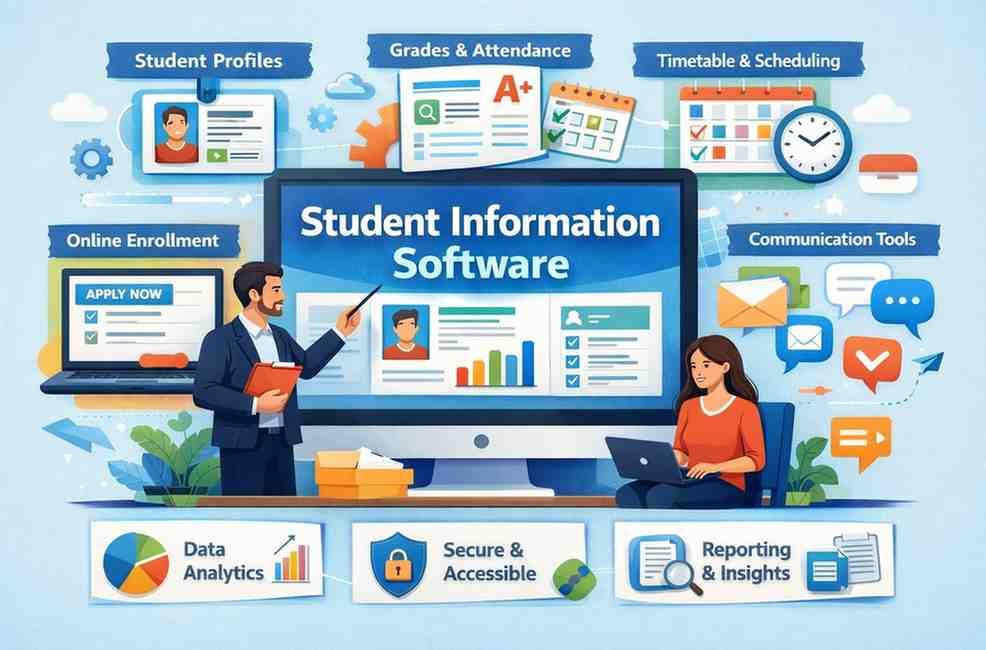
Student Information Software: Powering Smarter Academic Management Educational institutions today operate in a highly dynamic environment. Managing student data manually or through fragmented systems is no longer practical. From admissions to graduation, institutions need a unified, reliable, and scalable solution. This is where Student Information Software becomes essential. It acts as the digital backbone of academic administration, helping institutions streamline operations, improve accuracy, and deliver better experiences for students, faculty, and administrators alike. What Is Student Information Software? Student Information Software is a centralized platform designed to manage student related data throughout the academic lifecycle. This includes admissions, enrollment, attendance, grades, schedules, fees, communication, and reporting. Instead of maintaining multiple spreadsheets or disconnected tools, institutions gain a single source of truth that ensures consistency and transparency. Modern systems go beyond basic record keeping. They support automation, real time access, role based dashboards, and integration with learning management systems, finance tools, and communication platforms. Why Institutions Are Moving Toward Customization Every educational institution has its own structure, policies, and workflows. A one size fits all solution often forces schools and colleges to adapt their processes to the software, rather than the other way around. This is why many institutions are now choosing Customized Student Information Software that aligns with their specific operational needs. Customization allows institutions to define unique admission rules, grading systems, attendance policies, and reporting formats. It also ensures compliance with local education regulations and internal governance standards. More importantly, it reduces operational friction and improves user adoption across departments. Core Features That Deliver Real Value A well designed Student Information Software platform typically includes the following modules: Admissions and Enrollment Management: Automates application processing, document verification, and student onboarding. Student Records Management: Maintains accurate academic, personal, and disciplinary records in a secure environment. Attendance and Academic Tracking: Enables faculty to record attendance and grades efficiently while offering students real time visibility. Fee and Finance Integration: Simplifies fee collection, payment tracking, and financial reporting. Communication Tools: Supports notifications, announcements, and parent or student portals for better engagement. Analytics and Reporting: Provides actionable insights into student performance, retention, and institutional efficiency. When these features are tailored through Customized Student Information Software, institutions can optimize workflows instead of working around system limitations. Benefits for Administrators, Faculty, and Students From an administrative perspective, automation reduces manual errors and saves time. Staff can focus on strategic tasks rather than repetitive data entry. Faculty members benefit from simplified grading, attendance tracking, and access to student insights that support better academic decisions. For students, the experience becomes more transparent and empowering. They can access schedules, grades, assignments, and fee details from a single portal. Parents also gain visibility, which strengthens trust and communication between institutions and families. Security, Compliance, and Scalability Student data is highly sensitive, making security a top priority. A robust system includes role based access control, data encryption, audit trails, and regular backups. Custom solutions also allow institutions to meet region specific data protection and education compliance requirements. Scalability is another key advantage. As institutions grow in student numbers, programs, or campuses, the software can be enhanced without replacing the entire system. This long term flexibility makes Customized Student Information Software a future ready investment rather than a short term fix. Integration With the Digital Education Ecosystem Today’s education environment relies on multiple digital tools. Student Information Software must integrate seamlessly with learning management systems, online examination platforms, library systems, and HR or payroll software. Custom development ensures smooth data flow between systems, eliminating duplication and improving overall efficiency. Such integration also supports advanced capabilities like predictive analytics, early warning systems for at risk students, and personalized academic pathways. Making the Right Choice Selecting the right solution requires a clear understanding of institutional needs. Decision makers should evaluate usability, customization options, vendor support, security standards, and total cost of ownership. Involving key stakeholders early in the process ensures better adoption and long term success. Institutions that invest in tailored solutions often see faster implementation, higher user satisfaction, and measurable improvements in operational performance. Conclusion In an era where data driven decision making defines educational excellence, Student Information Software is no longer optional. Institutions that choose a flexible and scalable approach gain a significant advantage. By adopting a solution built around their unique workflows, they ensure efficiency, transparency, and growth. A well implemented Customized Student Information Software becomes not just a system of record, but a strategic asset that supports academic success and institutional sustainability.
Virtual Classroom Software: Transforming Digital Learning for Modern Education
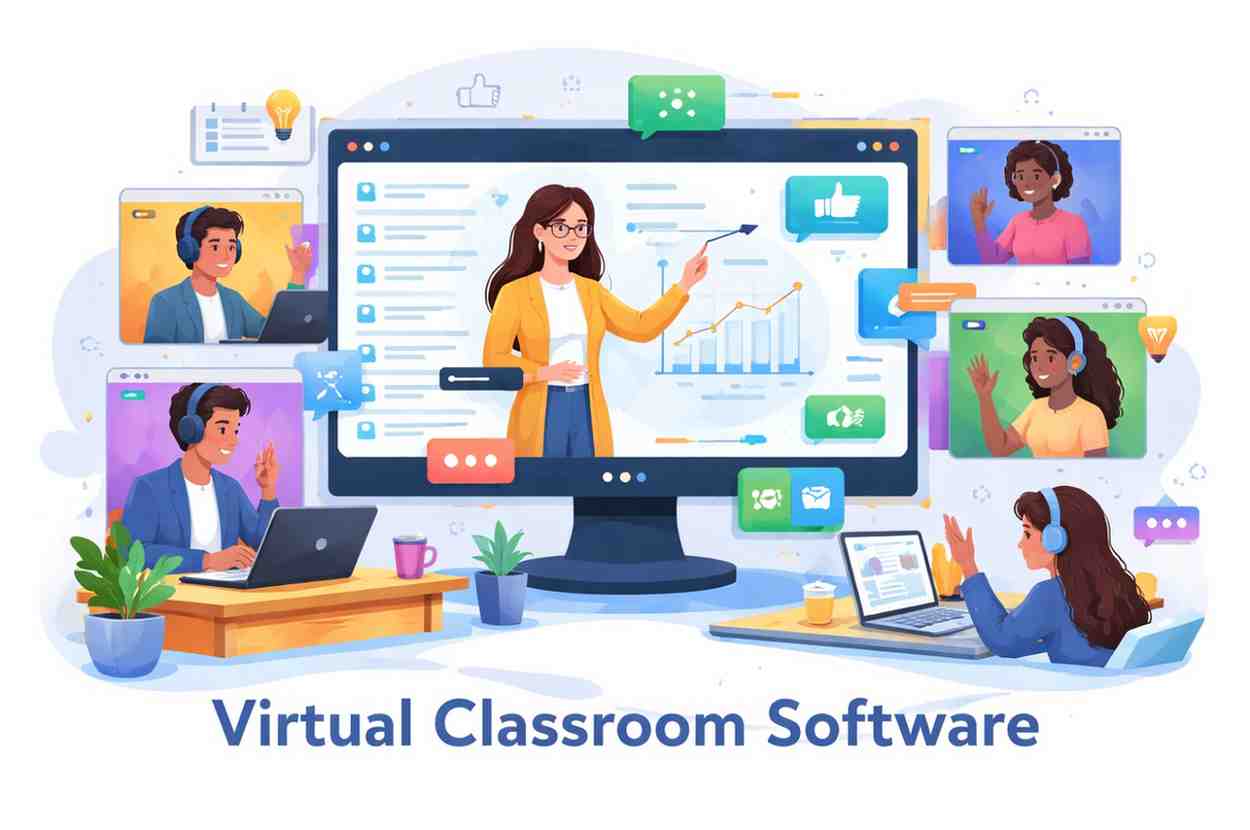
Virtual Classroom Software: Transforming Digital Learning for Modern Education The education landscape has undergone a major shift in recent years. Institutions, training providers, and enterprises are no longer limited by physical classrooms or fixed schedules. Virtual classroom software has emerged as a core digital infrastructure that enables interactive, scalable, and flexible learning experiences. However, not all solutions fit every learning model. This is where Customized Virtual Classroom Software plays a decisive role in meeting specific educational and business needs. Understanding Virtual Classroom Software Virtual classroom software is an online learning environment that replicates traditional classroom interactions through digital tools. It supports live video sessions, real-time collaboration, content sharing, assessments, and learner tracking. Unlike static learning management systems, virtual classrooms emphasize engagement, communication, and immediate feedback. Standard off-the-shelf platforms often come with predefined features and limitations. While they work for basic use cases, growing institutions and businesses quickly realize the need for deeper control, branding, and workflow alignment. This demand has accelerated the adoption of Customized Virtual Classroom Software designed around specific learning objectives. Why Customization Matters in Digital Learning Every educational organization operates differently. Universities, coaching centers, corporate training teams, and edtech startups all have unique teaching methods, compliance requirements, and audience expectations. Generic platforms force users to adapt their processes to the software, which often reduces efficiency and learner satisfaction. Customized solutions allow organizations to define how learning happens. From tailored dashboards and role-based access to custom reporting and third-party integrations, Customized Virtual Classroom Software ensures that technology supports the learning strategy rather than restricting it. Customization also enhances brand identity. A white-labeled platform with personalized UI elements builds trust and consistency, especially for institutions competing in a crowded digital education market. Core Features of an Effective Virtual Classroom Platform A well-designed virtual classroom system combines functionality, usability, and performance. Some essential features include: Live video and audio sessions with low latency and screen sharing Interactive tools such as chat, polls, quizzes, and digital whiteboards Content management for recordings, notes, and learning materials Assessment and evaluation tools with automated and manual grading Analytics and reporting to track learner progress and engagement When these features are customized to match organizational workflows, the learning experience becomes more intuitive for both instructors and learners. Customized Virtual Classroom Software enables institutions to prioritize the features that matter most to their audience while avoiding unnecessary complexity. Benefits for Educational Institutions and Businesses From a customer perspective, the value of virtual classroom software lies in measurable outcomes. Customized platforms deliver several long-term benefits: Improved learner engagement: Interactive tools and tailored interfaces encourage participation and reduce dropout rates. Operational efficiency: Automation of scheduling, attendance, and reporting saves time and administrative effort. Scalability: Custom-built systems can grow with the organization, supporting new courses, users, and geographies. Data-driven decisions: Advanced analytics provide insights into learner behavior, course effectiveness, and instructor performance. For corporate training teams, customization also supports compliance tracking, internal integrations, and secure access controls, which are often missing in generic platforms. Security, Compliance, and Performance Considerations Security and data privacy are critical in digital learning environments. Institutions handle sensitive student data, intellectual property, and recorded sessions. Customized virtual classroom solutions allow organizations to define their own security protocols, data storage policies, and compliance standards. Performance optimization is another key factor. A platform designed for a specific user base performs better under real-world conditions than a one-size-fits-all solution. Custom architecture ensures smooth streaming, faster load times, and consistent user experience even during peak usage. Choosing the Right Development Approach Selecting the right development partner is as important as choosing the technology itself. A reliable provider focuses on understanding educational goals, user journeys, and long-term scalability. The development process should include requirement analysis, UX design, iterative testing, and post-launch support. Organizations should also consider future upgrades such as AI-driven learning recommendations, multilingual support, and mobile-first access. A flexible customization approach ensures the platform remains relevant as learning models evolve. Conclusion Virtual classroom software is no longer a temporary solution but a strategic investment in modern education and training. Institutions that want control, scalability, and a superior learning experience increasingly rely on Customized Virtual Classroom Software to align technology with their unique goals and audience expectations.