
ONLINE COURSE BUILDER: A Strategic Foundation for Scalable Digital Learning The rapid growth of digital education has transformed how knowledge is created, delivered, and consumed. Businesses, educators, and training organizations are moving away from generic platforms toward tailored learning systems that align with specific goals. At the center of this shift is the Customized Online Course Builder Software, which empowers organizations to design, manage, and scale learning experiences with precision and control. An online course builder is no longer just a tool for uploading videos. It is a complete ecosystem that supports branding, learner engagement, analytics, and monetization. Customization is what separates a basic course platform from a strategic digital asset. Understanding Online Course Builders An online course builder is a software platform that allows users to create structured learning programs using multimedia content such as videos, documents, quizzes, and live sessions. While many off-the-shelf platforms offer ready-made features, they often fall short when businesses require flexibility, scalability, or deep integration with existing systems. This is where Customized Online Course Builder Software becomes essential. It enables organizations to design learning environments tailored to their audience, industry standards, and operational workflows rather than forcing adaptation to rigid templates. Why Customization Matters in Online Learning Every organization has unique learning objectives. Corporate training differs from academic education, and professional certification platforms differ from coaching programs. A one-size-fits-all platform can limit growth and user engagement. Customized solutions allow full control over course structure, user roles, assessment logic, and content delivery. Branding can be aligned with corporate identity, creating trust and recognition among learners. More importantly, customization enables the platform to evolve alongside business goals, whether that involves adding new learning paths, expanding to global audiences, or introducing subscription-based access. From a customer perspective, this translates into smoother navigation, relevant content, and a more engaging learning journey. Key Features of a Customized Online Course Builder A robust customized course builder typically includes advanced features designed around user needs rather than platform limitations. Content management is flexible, allowing instructors to upload, update, and organize material easily. Interactive elements such as quizzes, assignments, discussion boards, and certificates enhance learner engagement. Role-based access ensures that administrators, instructors, and learners each have appropriate permissions. Analytics and reporting are another critical component. Customized dashboards provide insights into learner progress, completion rates, and performance trends. This data helps organizations improve course effectiveness and demonstrate measurable learning outcomes. Integration capabilities also play a major role. The platform can connect with CRM systems, payment gateways, HR software, or third-party tools, creating a seamless digital ecosystem. Business Benefits of Using a Customized Course Builder For businesses and institutions, investing in Customized Online Course Builder Software delivers long-term value beyond content delivery. First, it enhances brand credibility. A professionally designed learning platform reflects commitment to quality and innovation. Second, it improves operational efficiency by automating enrolments, certifications, and reporting. From a revenue standpoint, customized platforms support diverse monetization models such as one-time payments, subscriptions, corporate licensing, or bundled programs. Organizations are not restricted by platform rules and can experiment with pricing strategies that match their market. Scalability is another advantage. As learner numbers grow, the system can be optimized for performance, security, and regional compliance, ensuring consistent user experience at every stage. Learner Experience and Engagement A customer-centric course builder prioritizes the learner experience. Custom navigation, personalized dashboards, and adaptive learning paths make users feel guided rather than overwhelmed. Mobile responsiveness ensures access across devices, which is essential in today’s on-the-go learning environment. Gamification elements such as badges, progress tracking, and leader boards further motivate learners to complete courses. Support features like chat, notifications, and feedback forms strengthen communication and improve satisfaction. When learners feel supported, engagement and retention naturally increase. Security and Compliance Considerations Customized platforms also offer better control over data security and compliance. Organizations can implement specific authentication methods, data encryption standards, and access controls based on regulatory requirements. For industries such as healthcare, finance, or corporate training, this level of control is not optional. It is a necessity. Custom development ensures that compliance is built into the system rather than added as an afterthought. Future of Online Course Builders The future of online learning is increasingly personalized, data-driven, and integrated. AI-powered recommendations, adaptive assessments, and advanced analytics will become standard expectations. Customized platforms are better positioned to adopt these innovations because they are built on flexible architectures. Organizations can add new features without disrupting existing users or content. As competition in digital education grows, the ability to deliver unique, high-quality learning experiences will be a key differentiator. Conclusion In a digital-first learning environment, relying on generic platforms can limit growth and impact. A tailored approach enables organizations to align education with business strategy, brand identity, and learner expectations. Investing in a well-designed Customized Online Course Builder Software is not just a technical decision, but a strategic move toward sustainable, scalable, and customer-focused online education.

Category: Blog
Insurance Claim Automation: Transforming Claims Processing for Speed, Accuracy, and Trust

Insurance Claim Automation: Transforming Claims Processing for Speed, Accuracy, and Trust The insurance industry is under constant pressure to deliver faster claim settlements while maintaining accuracy, compliance, and customer satisfaction. Traditional claim processing methods rely heavily on manual data entry, paper documentation, and fragmented workflows. These inefficiencies often lead to delays, errors, higher operational costs, and frustrated policyholders. Insurance claim automation has emerged as a practical and scalable solution to address these challenges and reshape how insurers manage claims end to end. Understanding Insurance Claim Automation Insurance claim automation refers to the use of digital technologies to streamline and manage the entire claims lifecycle, from claim intake and verification to assessment, approval, and settlement. Automation integrates tools such as workflow engines, AI driven document processing, rule-based decision systems, and real time analytics to reduce manual intervention. At the canter of this transformation is Customized Insurance Claim Automation Software, which adapts to the insurer’s specific products, regulatory environment, and internal processes. Unlike generic platforms, customized solutions align closely with business rules, allowing insurers to automate without compromising flexibility or compliance. Key Challenges in Traditional Claims Processing Manual claim handling introduces several operational and customer facing challenges. Data inconsistencies across departments slow down verification. Human error increases the risk of incorrect payouts or claims rejections. Fraud detection remains reactive rather than proactive. Most importantly, policyholders experience long settlement timelines and limited visibility into claim status. As claim volumes grow and customer expectations rise, these challenges become unsustainable. Insurers must rethink their approach to claims management by moving toward intelligent automation. How Claim Automation Improves Operational Efficiency Automation significantly reduces processing time by eliminating repetitive tasks such as data entry, document sorting, and eligibility checks. Intelligent workflows route claims automatically based on predefined rules, ensuring faster decisions and fewer bottlenecks. By using Customized Insurance Claim Automation Software, insurers can configure workflows to match different policy types, claim categories, and risk thresholds. This leads to consistent outcomes and improved productivity across claims teams. Staff can then focus on complex or high value cases rather than routine processing. Enhancing Accuracy and Compliance Regulatory compliance is a critical concern for insurers operating across regions and product lines. Automated claim systems embed compliance checks directly into workflows, reducing the risk of violations and penalties. Validation rules ensure that required documents are submitted, policy terms are applied correctly, and approvals follow proper authorization hierarchies. Customization plays a vital role here. With Customized Insurance Claim Automation Software, insurers can update rules quickly to reflect regulatory changes or internal policy updates without disrupting operations. This agility is difficult to achieve with rigid, off the shelf systems. Fraud Detection and Risk Management Insurance fraud remains a major source of financial loss. Automated claim systems leverage data analytics and pattern recognition to flag suspicious claims early in the process. By analysing historical data, claim behaviour, and external data sources, automation helps insurers identify anomalies that may indicate fraud. Customized solutions allow insurers to tailor fraud detection models based on specific risk profiles, claim types, or geographic trends. This proactive approach strengthens risk management while minimizing false positives that can delay genuine claims. Improving Customer Experience and Transparency From a policyholder’s perspective, the claims experience often defines their trust in an insurer. Automation improves transparency by enabling real time claim tracking, automated notifications, and faster resolutions. Customers no longer need to repeatedly follow up for updates or submit the same information multiple times. A well designed automated system provides intuitive digital touchpoints, allowing customers to submit claims online, upload documents, and receive instant acknowledgments. Faster settlements and clear communication significantly improve customer satisfaction and retention. Data Driven Insights for Continuous Improvement Automated claim platforms generate valuable data at every stage of the process. Insurers can analyse metrics such as processing time, settlement accuracy, claim frequency, and cost patterns. These insights support strategic decisions related to product design, underwriting, and customer engagement. Customization ensures that reporting dashboards and analytics align with business objectives. Insurers gain a clear view of performance gaps and can continuously refine workflows for better outcomes. Conclusion Insurance claim automation is no longer a future concept but a practical necessity for insurers seeking efficiency, accuracy, and customer trust. By adopting Customized Insurance Claim Automation Software, insurers can modernize claims operations, reduce costs, strengthen compliance, and deliver a faster, more transparent experience to policyholders. As competition intensifies and expectations rise, intelligent and tailored claim automation will play a defining role in the success of forward looking insurance organizations.
Doctor Referral & Review Platform: Building Trust, Efficiency, and Smarter Healthcare Decisions

Doctor Referral & Review Platform: Building Trust, Efficiency, and Smarter Healthcare Decisions Healthcare today is no longer limited to hospital walls. Patients actively research doctors, compare experiences, and rely on recommendations before making medical decisions. At the same time, doctors and healthcare providers need reliable referral networks to ensure continuity of care. This growing demand has given rise to digital doctor referral and review platforms that connect patients, physicians, clinics, and hospitals in one trusted ecosystem. At the center of this transformation is Customized Doctor Referral & Review Platform Software, designed to meet the specific needs of modern healthcare systems rather than relying on generic listing websites. Understanding Doctor Referral & Review Platforms A doctor referral and review platform is a centralized digital system where patients can discover healthcare providers, view verified reviews, and receive referrals based on medical needs. For doctors and hospitals, it serves as a structured channel to refer patients to specialists, track outcomes, and build professional credibility. Unlike basic review portals, advanced platforms focus on accuracy, compliance, and workflow efficiency. They reduce referral leakage, improve patient satisfaction, and help healthcare providers maintain strong professional networks. Why Traditional Referral Systems Fall Short Manual referrals and word-of-mouth recommendations often lead to inefficiencies. Paper-based referrals get delayed, patients lose follow-up instructions, and providers have limited visibility into referral outcomes. Public review websites also pose challenges due to unverified feedback and lack of medical context. This is where Customized Doctor Referral & Review Platform Software delivers measurable value by offering secure, transparent, and healthcare-specific digital solutions. Core Features That Matter to Patients and Providers A well-designed platform focuses on real-world healthcare needs rather than surface-level features. Smart Doctor Discovery Patients can search doctors by specialty, location, hospital affiliation, availability, and insurance acceptance. Intelligent filtering ensures faster and more relevant results. Verified Reviews and Ratings Only authenticated patients can submit reviews, maintaining credibility and reducing misinformation. Reviews focus on clinical experience, communication, and service quality. Secure Referral Management Doctors can digitally refer patients to specialists with complete medical context, reducing errors and improving continuity of care. Appointment and Follow-Up Tracking Patients receive reminders, referral updates, and follow-up notifications, improving adherence and outcomes. Analytics and Performance Insights Hospitals and clinics gain insights into referral patterns, patient feedback trends, and provider performance. Benefits for Patients Patients are the primary beneficiaries of transparent referral and review systems. They gain confidence in their healthcare decisions, reduce the time spent searching for reliable doctors, and experience smoother care transitions. Access to genuine reviews helps set realistic expectations and builds trust before the first appointment. Benefits for Doctors and Healthcare Organizations For doctors, the platform strengthens professional visibility and reputation. Verified reviews act as social proof, while structured referrals help maintain patient flow. Hospitals and clinics benefit from reduced referral leakage, improved collaboration among departments, and better patient retention. Most importantly, Customized Doctor Referral & Review Platform Software allows organizations to align the platform with their branding, workflows, compliance requirements, and growth strategy rather than adjusting operations to fit off-the-shelf tools. The Importance of Customization in Healthcare Software Healthcare systems differ widely based on region, specialty, patient volume, and regulatory requirements. A customized platform ensures seamless integration with existing hospital systems, electronic health records, and appointment software. It also allows flexibility in user roles, referral rules, and data visibility. Customization ensures scalability, better user adoption, and long-term ROI. It also enhances data security and compliance with healthcare regulations, which is critical in handling sensitive patient information. Data Security and Compliance as a Foundation Any doctor referral and review platform must prioritize data privacy. Secure authentication, role-based access, encrypted data storage, and compliance with healthcare standards protect both patients and providers. Trust is built not just through reviews but through responsible data handling. Conclusion Doctor referral and review platforms are reshaping how patients choose providers and how doctors collaborate within healthcare networks. When thoughtfully designed, they improve transparency, efficiency, and patient outcomes. Investing in a Customized Doctor Referral & Review Platform Software enables healthcare organizations to deliver trusted experiences, strengthen professional relationships, and adapt confidently to the digital future of healthcare.
The Strategic Importance of a Fitness Center CRM in Today’s Wellness Industry

The Strategic Importance of a Fitness Center CRM in Today’s Wellness Industry Running a modern fitness center is no longer just about great equipment or motivating trainers. Members expect smooth onboarding, regular engagement, and a personalized journey that fits their goals and schedules. This is why many gyms and wellness brands are shifting toward specialized CRM systems built for their industry. A well-designed CRM helps reduce administrative load, improves retention, and turns member data into strategic decisions that drive business growth. Among the available solutions today, a strong competitive advantage comes from adopting a platform built specifically for your operational needs, such as Customized Fitness Center CRM Software. Why Traditional CRM Systems Fall Short for Fitness Businesses Generic CRM platforms can record customer data and track communication. But fitness centers work differently from typical service businesses. They manage memberships, class schedules, trainer assignments, performance metrics, renewals, cancellations, and daily facility operations. They also need to handle diet plans, workout charts, attendance patterns, and member milestones. Traditional CRMs don’t deliver the structure needed to handle this complexity. They lack built-in tools that speak the language of fitness. As a result, business owners end up managing gym administration across multiple systems, spreadsheets, and manual processes. This disconnect leads to inconsistent data, slow decision-making, weaker customer engagement, and missed revenue opportunities. A fitness-specific CRM solves this problem by bringing everything into a single dashboard designed around how fitness centers actually operate. How Fitness-Focused CRM Software Transforms Operations The advantage of using Customized Fitness Center CRM Software lies in its ability to support every part of the member journey. From the moment a potential customer asks about a membership plan to long after they become loyal clients, the CRM ensures every touchpoint is tracked and optimized. 1. Smarter Member Acquisition Leads from walk-ins, website forms, social media, referrals, and promotional events can be captured in one place. Automated follow-ups, reminders, and nurture paths help convert prospects into paying members faster without overwhelming staff. 2. Streamlined Onboarding Member onboarding becomes smooth with digital agreements, automated welcome messages, and personalized starter plans. This reduces paperwork and improves the customer’s first impression. 3. Centralized Scheduling Fitness centers juggle classes, PT sessions, workshops, trial sessions, and equipment-based scheduling. A CRM tailored to your center allows members to book sessions easily while giving administrators complete visibility into trainer availability and facility usage. 4. Personalization at Scale Members stay loyal when they feel seen. A fitness CRM keeps track of preferences, past classes, fitness goals, progress reports, and feedback. This helps trainers and staff tailor interactions and create targeted retention strategies. 5. Automated Billing and Renewals Billing errors and late renewals can cost a business more than expected. Automated invoicing, reminders, subscription tracking, and payment integrations reduce revenue leakage and improve transparency for members. 6. Retention-Driven Analytics Real insights matter in a competitive fitness market. CRMs built for gyms offer dashboards that show attendance trends, class performance, lead conversion rates, trainer productivity, seasonal fluctuations, and overall revenue patterns. These insights help management act quickly to improve retention and profitability. Why Customization Matters More Than Ever Every fitness center has a unique identity. Boutique studios, large gyms, cross-training centers, yoga studios, Zumba academies, physiotherapy-integrated centers, and premium wellness clubs all follow different operational models. This is where a Customized Fitness Center CRM Software outperforms off-the-shelf solutions. Customization ensures the system adapts to your business, not the other way around. It allows you to: Add modules unique to your programs Tailor dashboards for trainers, administrators, and management Integrate specialized biometric devices or fitness apps Align the CRM workflow with your membership structure Automate tasks specific to your brand experience Maintain scalability as your center expands to new branches When your CRM is custom-built, it becomes a long-term operational engine rather than just another software tool. Customer-Centric Benefits That Drive Long-Term Loyalty A strong CRM does more than organize data. It enhances the customer experience, which is the foundation of retention and referrals. When members get timely updates, accurate billing, personalized communication, and frictionless scheduling, they feel valued. A customized CRM helps you build lasting relationships by: Delivering consistent communication Eliminating long queues at the front desk Offering easy access to class schedules and membership details Supporting hybrid programs like online training and in-person sessions Tracking fitness progress so members can see real results Happy members bring in new members, stay longer, and become your strongest brand advocates. Competitive Advantage for Modern Fitness Brands The fitness industry is evolving fast. Digital training, smart equipment, AI-based workout plans, online classes, and experience-driven fitness programs are becoming the norm. A CRM built specifically for your processes gives you a competitive edge by: Reducing operational costs Improving staff productivity Strengthening your digital brand experience Increasing retention Supporting scalable business expansion Without a specialized system, fitness centers risk falling behind competitors who offer better engagement and seamless digital experiences. Conclusion Investing in a powerful CRM is no longer optional for fitness businesses aiming to grow in a customer-driven market. Choosing a tailored platform like the Customized Fitness Center CRM Software helps you manage operations efficiently, strengthen member relationships, and build a scalable foundation for long-term success.
An Analytical Look at Patient Engagement Mobile Apps

An Analytical Look at Patient Engagement Mobile Apps Healthcare has shifted toward a more connected and patient-driven model. People expect faster access to care, better communication with their providers and clear visibility into their health information. This demand has pushed hospitals, clinics and digital health companies to adopt smarter tools that make care more personalized and accessible. A Customized Patient Engagement Mobile App has become one of the most effective ways to achieve this transformation. The Growing Need for Digital Patient Engagement Modern patients prefer quick appointments, virtual check-ins, instant updates and simplified follow-ups. Traditional systems often fall short because they rely heavily on calls, paperwork and manual coordination. These methods slow down communication and create frustration for both patients and staff. Digital engagement bridges this gap. It gives patients a smooth way to interact with their care providers anytime. It also helps healthcare organizations improve efficiency by automating routine interactions. More providers are now turning toward mobile-first solutions to strengthen patient relationships and deliver care beyond clinic walls. What Makes Patient Engagement Apps So Valuable A strong engagement app brings together the tools patients use most. It supports appointment scheduling, reminders, test reports, teleconsultations, wellness tracking and direct communication. This simplifies the overall experience and builds trust. Key features include: Self-service tools: Patients can book or reschedule appointments without calling the hospital. Push notifications: Automatic reminders reduce missed appointments and delays. Telemedicine options: Virtual consultations provide convenience and accessibility. Personal health records: Patients can view prescriptions, test results and care plans in one place. Secure chat: Real-time communication helps patients connect with doctors quickly. Wellness and medication tracking: This encourages better health habits and treatment adherence. When healthcare providers adopt these tools, they see fewer administrative errors, smoother workflows and higher patient satisfaction. Why Customization Matters A generic mobile app is often too rigid for the specific needs of a hospital or clinic. Healthcare workflows vary widel. Different specialties, patient types and organizational structures require solutions that fit their environment. This is where a Customized Patient Engagement Mobile App becomes a powerful asset. Customization makes it possible to: Match the app to the provider’s operational workflow Add specialty-specific tools such as mental-health modules, pediatric care plans or chronic-care programs Personalize the design for branding and usability Integrate with existing EHR, telemedicine systems or pharmacy portals Add multilingual support for diverse patient groups Build custom dashboards for doctors and administrators Instead of forcing healthcare teams to change their internal processes, a tailored app adapts to the way they already work. Enhancing the Patient Experience Digital engagement is not only about technology. It’s about how patients feel throughout their care journey. A personalized app helps them understand their health better, stay on track with treatment and maintain clear communication. Some key benefits patients experience include: Transparency: Access to records, prescriptions and reminders helps them stay informed. Convenience: They can manage their care from their phone without long wait times or unnecessary calls. Confidence: Secure messaging allows them to ask questions and clarify doubts. Consistency: Automated alerts help them follow treatment schedules and appointments. By giving patients more control, providers strengthen engagement and loyalty. Data-Driven Care at Every Step Modern healthcare relies heavily on data. A well-designed app collects insights that help providers make better decisions. Understanding how often patients miss appointments, which treatments they follow successfully or what concerns they share most can guide improvements in care delivery. These insights can: Shape personalized treatment plans Identify barriers to patient compliance Highlight high-risk patients for preventive intervention Improve clinical outcomes through constant monitoring A Customized Patient Engagement Mobile App turns raw data into meaningful patterns that support better, more informed care. Operational Benefits for Healthcare Providers Beyond patient satisfaction, digital engagement brings major efficiency benefits to hospitals and clinics. Automated workflows reduce manual tasks, freeing staff for more important duties. Communication becomes faster and easier. Errors caused by paperwork or miscommunication drop significantly. Operational improvements include: Lower call-center load Fewer missed appointments Better staff coordination Smoother patient intake and follow-up Reduced administrative costs Stronger compliance with care protocols Healthcare teams can focus more on clinical work instead of repeating administrative processes. Supporting Long-Term Care and Monitoring Many patients require ongoing care, such as those with diabetes, hypertension, heart conditions or mental-health needs. Mobile apps offer a reliable way to track daily habits, symptoms and medications. Providers can monitor progress remotely and step in quickly when they notice changes. This continuous engagement improves patient safety and prevents complications. It also reduces unnecessary hospital visits and helps patients stay proactive about their health. Conclusion Digital engagement has become essential in modern healthcare. A Customized Patient Engagement Mobile App empowers patients, improves communication and helps providers deliver care more efficiently. It supports real-time interaction, long-term monitoring and smoother workflows across the entire patient journey. For healthcare organizations focused on better outcomes and stronger patient relationships, investing in a personalized engagement app is a strategic step forward.
An Analytical Look at Pharmacy Inventory Software

An Analytical Look at Pharmacy Inventory Software Pharmacies today operate in a fast-moving environment where demand patterns shift quickly, regulations keep changing and customers expect consistent product availability. Managing stock manually or with outdated systems often leads to errors, wastage, slow order processing and compliance issues. This is why many businesses are turning toward modern inventory solutions built specifically for the pharmaceutical sector. Among these, Customized Pharmacy Inventory Software stands out as the most practical and scalable approach for pharmacies aiming to improve accuracy, reduce costs and raise service quality. Why Inventory Management Matters More Than Ever Inventory is at the heart of pharmacy operations. A typical pharmacy handles hundreds or even thousands of SKUs, each with different batch numbers, expiry dates and storage conditions. A small oversight can result in financial losses, regulatory penalties or a negative customer experience. The shift toward digital prescriptions, rising expectations for fast fulfillment and the growing importance of real-time insights make traditional processes insufficient for long-term growth. A well-designed inventory system does more than track stock. It supports procurement, ensures compliance with drug laws, reduces wastage, maintains ideal stock levels and helps staff work more efficiently. This is where tailored software brings real value. Off-the-shelf solutions may offer basic features, but they rarely match the specific workflow or scale of an individual pharmacy. In contrast, Customized Pharmacy Inventory Software aligns perfectly with a pharmacy’s unique operational requirements. Core Functional Capabilities A pharmacy inventory system should support every part of the product lifecycle. The most effective solutions offer: Real-time Stock Visibility: Pharmacists can see exactly what’s available across shelves, batches and storage units. This helps prevent shortages, overstocking and unplanned purchases. Expiry and Batch Tracking: Automatic alerts reduce the risk of selling expired or soon-to-expire medicines. This protects customers and minimizes wastage. Smart Procurement: Based on trends, seasonality and historical data, the system recommends what to reorder and when. This avoids unnecessary holding costs and ensures timely availability. Automated Reporting and Audits: Detailed digital records streamline audits and regulatory reporting. This is especially important for controlled substances. Integration With Billing and POS: Linking stock movements to sales ensures accurate deductions and reduces mismatches between physical and digital stock. Supplier Performance Insights: Pharmacies can evaluate vendors based on delivery times, pricing, stock quality and consistency. When these capabilities work together, they create a smooth operational flow that improves accuracy and customer satisfaction while reducing operational overhead. How Customization Brings Strategic Advantages Generic software can support basic operations, but pharmacies often require specific workflows that match their size, product mix and business model. A custom solution allows owners to define modules that reflect their day-to-day realities rather than adjusting their teams to a rigid system. A tailored inventory platform can incorporate unique requirements such as: Multi-branch stock transfers with real-time syncing Specialty storage tracking for temperature-sensitive medicines Automated reminders for mandatory compliance checks Custom access controls for pharmacists and assistants Predictive restocking based on local demand trends Seamless integration with existing ERP, CRM or e-pharmacy platforms By adapting to the pharmacy’s internal processes, the system reduces friction, boosts productivity and lowers the learning curve for staff. Over time, the software becomes a strategic asset that helps the business scale without operational chaos. Customer-Centric Benefits Pharmacy customers expect reliability. They want their prescriptions to be ready on time, with clear communication about availability and costs. Modern inventory systems support this by improving accuracy throughout the fulfillment process. Better stock visibility means pharmacies can guarantee availability and avoid last-minute order delays. Automated expiry tracking ensures customers receive only safe and valid products. Smarter procurement reduces gaps in essential medicine availability. Faster billing and reduced manual errors contribute to a simpler, more professional customer experience. For pharmacies offering home delivery or online ordering, an integrated inventory system ensures real-time synchronization between online listings and in-store stock. This accuracy helps avoid cancelled orders—one of the biggest causes of dissatisfaction in digital pharmacy services. Data-Driven Decision Making One of the major advantages of digital inventory tools is access to actionable insights. Pharmacies can analyze: Fast-moving and slow-moving products Sales patterns across seasons Profitability per category Stock wastage due to expiry Vendor reliability metrics These insights help owners plan smarter purchase cycles, cut unnecessary costs and improve operational efficiency. Over time, this data can shape business expansion strategies, product diversification and customer engagement plans. Competitive Advantage for Growing Pharmacies As healthcare retail becomes more competitive, pharmacies that rely on manual or outdated systems risk falling behind. Efficient operations, reliable fulfillment and compliance accuracy are key differentiators. A custom-built digital system helps even small and mid-level pharmacies compete with chains and online marketplaces. Scalability is another advantage. As the business grows, the software can be expanded with new modules, automation flows or analytics dashboards without overhauling the entire system. This flexibility offers long-term value and stability. Conclusion In a sector where accuracy, compliance and customer trust are critical, investing in Customized Pharmacy Inventory Software is one of the most strategic decisions a pharmacy can make. A tailored system not only improves stock control but also strengthens the customer experience, supports regulatory requirements and enables data-driven growth. For pharmacies aiming to stay efficient and competitive, a personalized digital inventory solution is no longer optional—it’s essential.
Building Efficiency and Accuracy with a Modern Lab Test Management Portal
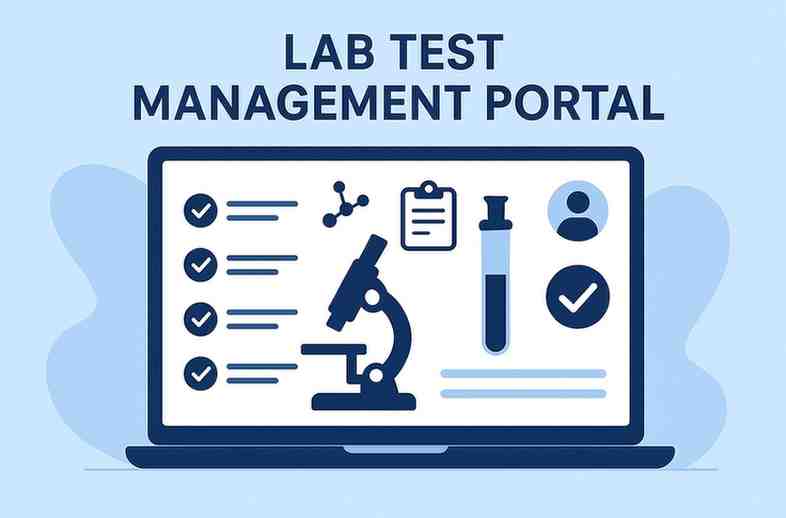
Building Efficiency and Accuracy with a Modern Lab Test Management Software In today’s healthcare environment, diagnostic labs handle thousands of tests, reports and patient requests every day. When everything from sample collection to report delivery relies on manual workflows, delays and errors become common. Healthcare providers, patients and lab teams all feel the impact. This is why many laboratories are turning to digital solutions that streamline the entire testing lifecycle. A Customized Lab Test Management Software offers the level of control, automation and transparency that modern labs need to stay competitive. A lab’s workflow involves multiple moving parts. It starts with test booking, followed by sample handling, verification, quality checks, billing and final reporting. When these tasks run through spreadsheets, paper forms or disconnected tools, teams lose valuable time resolving clerical mistakes, tracking missing data or handling frustrated customers. A digital portal solves these gaps by bringing every function into a single, well-organized platform. A Customized Lab Test Management Software goes far beyond generic lab software. Labs differ in volume, specialties, reporting formats and operational styles. A solution built around their exact workflows allows teams to deliver faster results, reduce workload and create a smoother experience for patients. Customization gives labs better alignment with their processes rather than forcing them to adapt to rigid software. One of the biggest strengths of a tailored portal is the improvement in patient experience. Today’s patients expect easy online booking, real-time updates and quick access to reports. Instead of waiting in queues or making repeated calls for updates, they can track everything through their portal dashboard. This reduces the burden on customer support and builds long-term trust with patients. From an internal perspective, transparency is another major advantage. Lab managers gain a real-time view of sample movement, workload distribution, technician performance and turnaround times. Early alerts for delays help prevent service disruption. Automated status updates ensure that patients and healthcare partners always receive timely information. With every activity recorded digitally, audit trails become clear and easier to manage. Integrations also play a key role in improving efficiency. A well-built portal connects with billing tools, hospital systems and data analytics platforms. This eliminates manual data entry and reduces the risk of mismatched information across systems. Over time, a connected ecosystem helps labs identify trends in testing volumes, seasonal demand and resource utilization. Security remains a top concern in healthcare technology, especially when handling sensitive medical records. Modern lab portals follow strict data protection standards with secure logins, encryption and controlled access. Role-based permissions ensure that only authorized staff can view or update patient information. Regular backups and activity logs help labs maintain compliance with healthcare regulations. Automation is another strong benefit. Features like barcode-based sample tracking, automated report generation and digital sign-offs shorten the test processing cycle. By eliminating repetitive tasks, teams can focus on accuracy and quality instead of paperwork. Automated reminders for pending approvals or delayed results help labs maintain consistent turnaround time. A well-designed portal also improves collaboration. Doctors can upload prescriptions, track test progress and download reports directly. Lab technicians can communicate internally through task notes or flagged alerts. Accounting teams receive billing information without chasing other departments. This unified workflow reduces friction and ensures everyone works with the same information. For multi-location labs, a centralized dashboard becomes even more valuable. Managers can view performance across branches, allocate resources smartly and standardize quality across all centres. Remote monitoring keeps operations running smoothly even when managing large networks. Scalability is another advantage. As the lab grows, the portal can expand to handle more tests, new departments or advanced features. Custom solutions are built to evolve, which makes them a long-term investment rather than a temporary fix. A Customized Lab Test Management Software offers measurable business value. Faster service increases patient satisfaction. Better resource planning reduces operational costs. Precise data helps managers make informed decisions. Most importantly, labs build a stronger reputation for reliability and professionalism. Customer expectations are rising. They want convenient appointment scheduling, accurate results and transparent digital communication. A modern portal is no longer optional. It has become a fundamental part of delivering quality healthcare services. Labs that adopt digital tools early position themselves ahead of the curve and stay relevant in a fast-changing market. Conclusion A Customized Lab Test Management Software helps laboratories deliver faster, safer and more reliable services while reducing operational complexity. It supports growing customer expectations, improves communication and brings consistency to every step of the testing process. With the right customization, a digital portal becomes a long-term asset that drives efficiency and strengthens trust with patients and healthcare partners.
Building Healthcare for the Future with a Customized Telemedicine Platform

Building Healthcare for the Future with a Customized Telemedicine Platform Telemedicine has moved from a convenient option to an essential part of healthcare delivery. As patients expect faster access, improved transparency and a smooth digital experience, providers are rethinking how they deliver virtual care. A Customized Telemedicine Platform helps healthcare organizations meet these expectations with a solution shaped around their workflows, specialties and service goals. Rather than adjusting operations to fit generic software, a tailored platform aligns with how the organization works, improving efficiency, patient satisfaction and clinical outcomes. Why Customization Matters in Telemedicine Most off-the-shelf systems pack general features that look good at first but fall short when providers need precision. Every healthcare system has its own processes, specialties and compliance needs. A customized environment lets clinics define appointment flows, integrate their preferred diagnostic tools, and match the platform to their brand. This reduces friction for both providers and patients. With the right design, a telemedicine platform becomes an extension of the care experience rather than a separate technology to struggle with. Customization also allows organizations to support specific medical disciplines. A dermatology clinic may require high-resolution image uploads, while a mental health practice may prioritize secure messaging and flexible session scheduling. A cardiology centre may require device integrations that track vital signs in real time. A Customized Telemedicine Platform ensures every feature aligns with these requirements without forcing clinicians into a rigid framework. Enhancing Patient Experience Patients now expect digital healthcare to be as simple as online shopping or mobile banking. They want quick sign-ups, seamless interactions and predictable outcomes. A custom platform delivers this by shaping the user journey around patient behavior. Clear navigation, multilingual support, integrated payment modules and mobile-first interfaces make the experience smooth. Automated reminders, easy appointment booking and instant access to reports help reduce confusion and no-shows. When a platform mirrors the patient’s needs and comfort level, it fosters trust and encourages regular engagement. A branded interface also reassures patients that they’re interacting directly with their healthcare provider rather than a generic third-party app. This builds credibility and strengthens long-term relationships. Supporting Provider Workflows For healthcare organizations, efficiency is just as important as patient convenience. A flexible telemedicine environment solves common operational challenges. Providers can customize dashboards, streamline triage, standardize consultation templates and integrate diagnostic tools. This helps doctors cut down on administrative steps and focus on clinical decision-making. A well-designed platform also supports multi-specialty operations. It consolidates electronic health records, teleconsultation history, lab reports and prescriptions in one place. When integrated with hospital management systems, it creates an uninterrupted flow of information across departments. This improves accuracy and saves time during follow-ups and referrals. Data Security and Compliance Healthcare data is highly sensitive, and any digital system must meet strict privacy standards. Custom platforms allow tighter control over data storage, access policies and encryption layers. Instead of relying on generic vendor settings, organizations can define access rules for doctors, support staff and administrators. Compliance modules can be aligned with HIPAA, GDPR, NDHM or region-specific standards. Advanced monitoring tools, audit logs and secure communication channels reduce the risk of data breaches. Custom security frameworks also allow flexibility when expanding services across new cities or countries. This gives healthcare providers the confidence to scale without compromising patient trust. Scalability for Long-Term Growth A major advantage of a tailored telemedicine system is scalability. Healthcare is evolving quickly, and organizations need digital systems that can grow with them. Custom platforms can be upgraded with new modules, specialty-specific tools and emerging technologies without disrupting existing operations. As patient volume increases, the system can be optimized for performance, load balancing and resource management. This ensures smooth consultations even during peak hours or public health emergencies. With the rise of AI, predictive analytics, remote diagnostics and wearable integrations, a customizable foundation allows organizations to adopt innovations easily. Better Business Insights Beyond clinical operations, customized platforms deliver meaningful data analytics. Healthcare providers can track patient satisfaction, consultation volume, doctor performance, wait times and revenue patterns. These insights help leadership make informed decisions about staffing, marketing and service expansion. Smart dashboards allow administrators to monitor key metrics in real time. Predictive models help identify high-risk patients, optimize appointment slots and plan resources efficiently. For multi-location clinics, a centralized analytics layer improves visibility across all branches. Improving Care Quality At the core of every telemedicine system is the mission to improve care. Tailored solutions support this by enhancing communication, improving diagnostic accuracy and enabling timely intervention. Features such as remote monitoring, structured assessments, e-prescriptions, video consultations and integrated lab workflows ensure that patients receive comprehensive and continuous care. Collaboration features allow specialists to join consultations, share reports and coordinate treatment plans. This is especially valuable in chronic disease management and rural healthcare access. Customization ensures the platform supports these care models without unnecessary complexity. Conclusion A Customized Telemedicine Platform gives healthcare organizations the freedom to build the exact digital experience they want for their patients and providers. It creates a system that is flexible, secure and scalable, while aligning with clinical goals and operational efficiency. As virtual care continues to expand, organizations that invest in tailored platforms will be better positioned to offer reliable, patient-focused care.
The Strategic Value of Customized Electronic Medical Records (EMR) for Modern Healthcare

The Strategic Value of Customized Electronic Medical Records (EMR) for Modern Healthcare Healthcare is moving toward a more digital, patient-first approach, and Electronic Medical Records (EMR) sit at the centre of that shift. While most hospitals and clinics already use some form of EMR, many still struggle with systems that don’t match their workflow, offer limited flexibility or create more work instead of simplifying it. That is where Customized Electronic Medical Records (EMR) solutions make an impact. An EMR that is tailored to a specific practice, specialty or operational style can transform how clinicians document, review, and deliver care. It moves beyond a basic digital file system and becomes a dynamic, intelligent platform that supports medical decisions, improves efficiency, and enhances patient outcomes. In a competitive healthcare environment, customization is no longer a luxury. It is a strategic requirement. How EMRs Evolved and Why Customization Matters Traditional EMR systems were designed to digitize paper files. Their primary purpose was data storage. Over time, regulatory demands, patient volume, and the shift toward value-based care pushed EMRs to do more: automate tasks, support clinical decisions, integrate with devices, and streamline communication across teams. Yet the challenge remains. A cardiologist, a pediatrician, and a physiotherapist don’t follow the same workflows. Large hospitals operate differently from standalone clinics. When every organization has unique requirements, a one-size-fits-all EMR often creates friction instead of clarity. That friction shows up as excessive clicks, incomplete records, repeated data entry, and slow adoption. This is why Customized Electronic Medical Records (EMR) solutions are gaining momentum. Customization adapts technology to people, not the other way around. It simplifies the user’s day instead of complicating it. Key Features That Set Customized EMR Systems Apart A customized EMR is built around a clinic’s actual needs. Instead of forcing teams to adjust their processes, it molds itself to how they already work. Some of the notable advantages include: 1. Specialty-Specific Workflows Every specialty requires unique templates, terminology, and documentation structures. Custom EMRs allow clinicians to use templates built for their field, which cuts down documentation time and helps maintain accuracy. 2. Tailored Patient Dashboards A customized patient dashboard allows staff to see the exact information they need first, arranged in the most logical sequence. This improves speed, clarity, and decision-making. 3. Integrated Diagnostic and Lab Modules Custom solutions can connect with diagnostic machines, lab systems, and external health platforms. This ensures all reports, images, and readings are automatically available in one secure location. 4. Flexible User Permissions Hospitals and clinics vary in how they assign responsibility. A custom EMR can create permission layers based on departments, roles, and compliance rules. 5. Automated Routine Tasks Reminders, follow-ups, medication alerts, and billing triggers can be automated based on the clinic’s real workflow rather than generic presets. The Business Case for Custom EMRs Healthcare organizations often think of EMRs as a compliance requirement. But when customized, an EMR becomes a business asset that supports growth, efficiency, and patient trust. Better Operational Efficiency By aligning with the exact workflow of the clinic, a custom EMR reduces duplication, minimizes human error, and lets staff focus on care rather than administrative tasks. Time saved translates into more patient appointments and better throughput. Improved Patient Experience Patients expect fast service, reliable communication, and seamless access to their health records. Custom EMRs enable features like patient portals, automated reminders, digital prescriptions, and teleconsultation support. These improvements lead to better satisfaction and stronger patient loyalty. Enhanced Clinical Decision Support With the right customization, clinicians get alerts, medical histories, trends, and important data insights at the right moment. This supports timely decisions and helps reduce risks. Data-Driven Growth Opportunities A customized EMR can generate analytical dashboards that help leadership understand performance, patient trends, revenue cycles, and resource use. These insights become powerful tools for forecasting and strategic planning. Implementation Considerations While the benefits are substantial, successful EMR customization requires a thoughtful approach. Healthcare organizations need to evaluate their workflows, identify bottlenecks, and collaborate closely with technology partners who understand clinical operations. Key considerations include: • Scalability for future growth. • Interoperability with other systems and devices. • Security and compliance with healthcare data standards. • User training and gradual adoption. • Continuous updates based on changing medical and regulatory needs. A well-implemented EMR not only elevates clinical operations but also becomes the backbone of a modern digital healthcare ecosystem. Conclusion Healthcare providers who want to move beyond basic digital record-keeping and create a patient-centered, efficient environment should explore the potential of Customized Electronic Medical Records (EMR) solutions. When designed around real-world workflows, they reduce administrative load, enhance patient care, and support long-term business growth. Customization ensures the EMR becomes a tool that works for the organization instead of a system the organization must work around.
The Credit Scoring Engine That Transforms How Financial Institutions Assess Risk

The Credit Scoring Engine That Transforms How Financial Institutions Assess Risk Financial institutions today face a complex challenge. They need to approve more customers, reduce default rates, comply with evolving regulations and still deliver frictionless digital experiences. Traditional lending models often fall short because they rely heavily on outdated scoring mechanisms that cannot keep up with the speed, volume and diversity of modern financial data. This is where a Customized Credit Score Engine becomes a strategic asset rather than just another technical component. A modern scoring engine does far more than compute a number. It works as a decision intelligence layer that helps banks, NBFCs, fintech companies and micro-lenders evaluate risk with greater accuracy. It captures thousands of data points, interprets consumer behavior patterns, automates decisions and supports rapid product innovation. The result is better credit decisions delivered in real time, with consistency and regulatory confidence. Why a Customizable Engine Matters Off-the-shelf scoring tools often look convenient but limit how lenders can differentiate their offerings. They lock businesses into predefined rules and scoring models that may not reflect the lender’s unique market, risk appetite or customer profile. A Customized Credit Score Engine solves this by giving institutions the freedom to tailor scoring parameters based on their business needs. This flexibility allows lenders to build models aligned to local market realities. For example, emerging markets rely heavily on semi-formal income, thin-file customers and alternative data. A custom engine can integrate telecom records, GST data, banking statements, device intelligence, social behavior and more. By combining these signals, institutions get a deeper and more reliable risk picture for customers who may otherwise be invisible to traditional scoring systems. A Modern Engine Improves Both Accuracy and Speed Accuracy in credit evaluation is only useful if decisions are delivered fast. Customers today expect instant approvals, especially in digital lending. A powerful scoring engine automates the entire assessment process. It validates data, applies risk rules, runs machine learning algorithms and instantly generates a reliable score. This shift dramatically reduces manual review time. Loan officers no longer sift through statements or documents. Instead, the system highlights risk flags automatically, leaving human intervention only for exceptions. Over time, machine learning models continue to evolve, learning from repayment behaviors and improving predictive accuracy. This reduces default rates and enhances portfolio quality without slowing down onboarding. Transparency and Compliance Built In Risk scoring is at the heart of regulatory oversight. Authorities expect lenders to maintain fairness, consistency and auditability in credit decisions. A custom scoring engine offers clear visibility into how each score was derived. Every decision point, rule trigger and data attribute is logged. This transparency strengthens internal governance and simplifies regulatory reporting. Moreover, explainable AI capabilities help institutions justify decisions such as loan approvals, rejections or credit line reductions. When customers receive clear reasons for outcomes, trust improves and disputes decline. Enhancing Customer Experience at Scale Customers today engage across multiple digital touchpoints. A scoring engine that integrates seamlessly into mobile apps, onboarding journeys, loan workflows and CRM systems helps institutions deliver smooth experiences. Real-time scoring ensures customers get instant responses rather than waiting for backend reviews. A configurable engine also enables personalized product recommendations. For example, customers with strong repayment history may automatically receive higher limits or pre-approved offers, while new-to-credit customers may receive starter products based on alternative data insights. This ability to segment and personalize at scale drives better conversion and loyalty. Supporting New Lending Products Financial institutions are rapidly expanding into new product categories such as BNPL, micro-loans, salary-linked credit, small business lending and embedded finance. Each product requires different risk models and evaluation parameters. A flexible scoring engine allows lenders to launch and experiment with these offerings quickly. Instead of hardcoding new rules every time, institutions can configure new scorecards, data sources and thresholds through an admin interface. This reduces dependency on development teams and accelerates go-to-market timelines. In competitive markets, speed is a key advantage. Seamless Integration With Existing Systems A modern scoring engine is designed to work as a plug-and-play component. It integrates with loan origination systems, CRM, underwriting tools, customer onboarding platforms and external APIs. Institutions can route all credit-related decisions through a central scoring layer, ensuring consistency across departments and product lines. This centralized approach improves data quality, reduces duplication and ensures that every system works with the same up-to-date risk intelligence. Future-Ready With AI and Alternative Data As digital footprints grow, lenders are increasingly leaning on machine learning, behavioral analytics and non-traditional data. A Customized Credit Score Engine is built to evolve with these trends. It can plug into new data providers, train new models, and incorporate behavioral indicators without major reengineering. This future-ready architecture helps institutions stay ahead of competitors and meet the expectations of younger, digitally savvy borrowers. Conclusion A modern scoring engine is no longer optional for lenders who want growth, lower risk and superior customer experience. A Customized Credit Score Engine gives financial institutions the control, intelligence and flexibility they need to make faster, fairer and more accurate credit decisions while staying compliant and improving portfolio performance.