




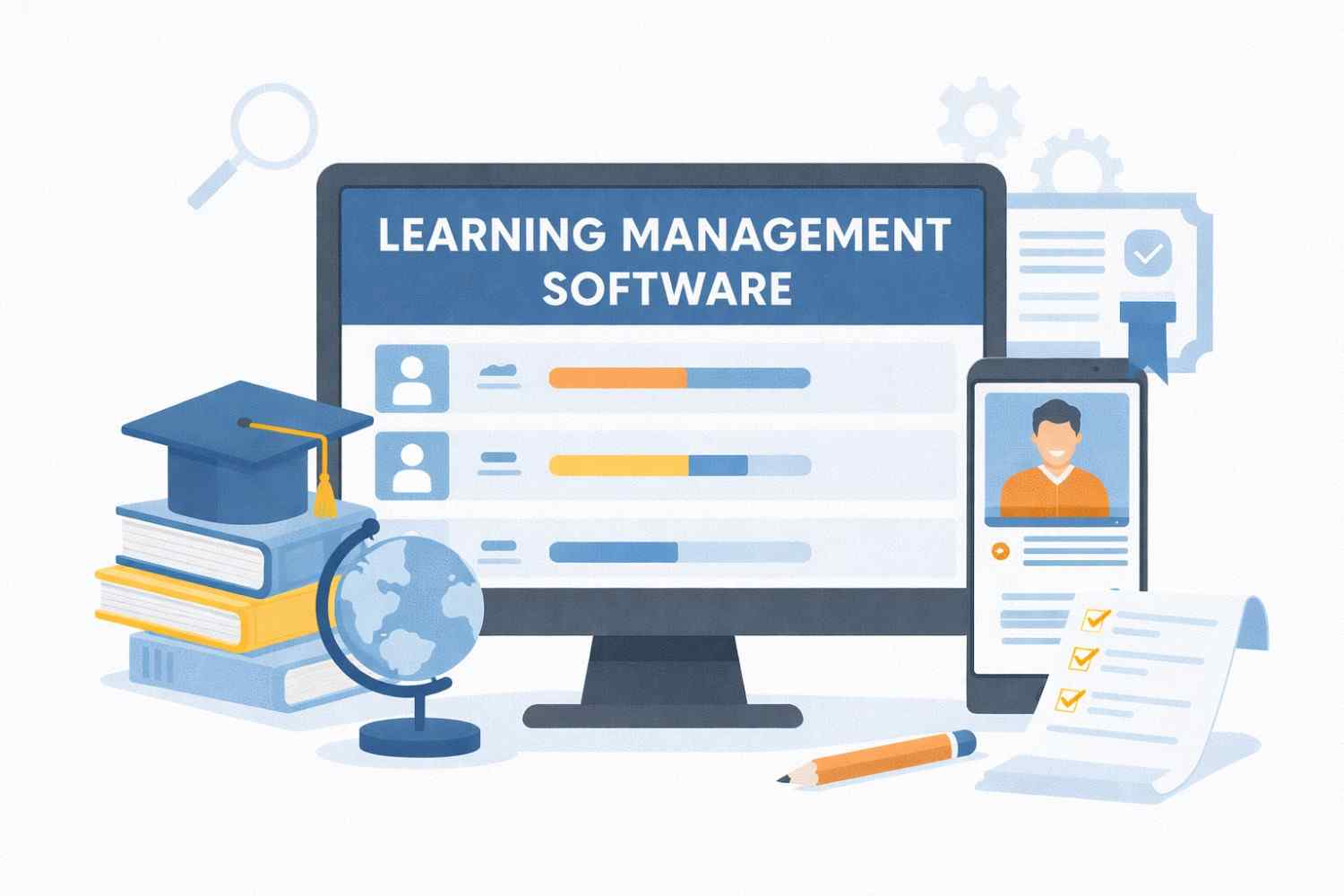
Learning Management Software: Building Smarter, Scalable Learning Systems
In today’s fast moving digital economy, learning is no longer a one time event. Organizations need continuous skill development, consistent knowledge sharing, and measurable outcomes. This is where Learning Management Software plays a central role. It provides a structured, technology driven way to create, manage, deliver, and track learning across teams, institutions, and audiences.
This article explores how Learning Management Software works, why it matters, and how businesses and educators can use it to create real value rather than just host online courses.
What Is Learning Management Software?
Learning Management Software, often referred to as an LMS, is a digital platform designed to manage learning activities in one centralized system. It allows organizations to upload learning content, enroll users, track progress, assess performance, and generate reports.
Modern LMS platforms go beyond basic course hosting. They support blended learning models, mobile access, certifications, role based training paths, and integration with other enterprise systems. The goal is simple: make learning accessible, measurable, and aligned with business or academic objectives.
Why Learning Management Software Is Critical Today
The shift toward remote work, hybrid classrooms, and global teams has changed how learning is delivered. Traditional classroom based methods struggle to scale and lack visibility. Learning Management Software solves these challenges by offering consistency and flexibility at the same time.
From onboarding new employees to upskilling existing teams, LMS platforms ensure that the right knowledge reaches the right people at the right time. For educational institutions, it enables structured curriculum delivery while supporting self paced learning. For businesses, it turns training into a strategic asset instead of a cost center.
Key Features That Define an Effective LMS
A strong Learning Management Software platform is built around user experience and outcomes. Some of the most important features include:
Centralized Content Management
All learning materials videos, documents, quizzes, and assignments are stored in one place. This reduces duplication and ensures version control.
User and Role Management
Administrators can assign courses based on roles, departments, or skill levels. Learners see only what is relevant to them, which improves engagement.
Progress Tracking and Analytics
Dashboards and reports provide visibility into course completion, assessment scores, and learner behavior. These insights help organizations refine their training strategy.
Assessment and Certification
Quizzes, exams, and certifications help validate learning outcomes and ensure compliance with internal or external standards.
Integration and Scalability
Modern LMS platforms integrate with HR systems, CRM tools, and communication platforms, allowing learning to fit naturally into existing workflows.
Business Impact of Learning Management Software
The real value of an LMS lies in how it supports business goals. Learning Management Software helps organizations reduce training costs by minimizing travel, instructor dependency, and manual administration.
It also accelerates time to productivity. New hires can start learning from day one, while experienced employees can quickly update their skills as technologies and processes change. For customer facing organizations, LMS platforms can even be used to educate partners and clients, improving product adoption and satisfaction.
Customer Centric Learning Experiences
Modern learners expect more than static content. They want personalized, interactive, and flexible experiences. Learning Management Software enables this by supporting adaptive learning paths, microlearning modules, and mobile access.
By allowing learners to progress at their own pace and revisit content when needed, LMS platforms respect individual learning styles. This customer centric approach leads to higher engagement, better retention, and stronger outcomes for both learners and organizations.
Choosing the Right Learning Management Software
Selecting an LMS should start with clear objectives. Organizations need to ask what problems they are trying to solve, whether it is compliance training, skill development, academic delivery, or customer education.
Key considerations include ease of use, customization options, reporting depth, integration capabilities, and long term scalability. A platform that is difficult to manage or adopt will fail, regardless of how many features it offers.
Conclusion
In a world where knowledge drives competitiveness, investing in the right learning infrastructure is no longer optional. Learning Management Software provides the foundation for scalable, measurable, and engaging learning experiences that grow with your organization. When implemented with clear goals and a learner first mindset, it becomes a powerful tool for continuous improvement and long term success.

